Wednesday, 1 April 2015

Knowing PWC's


http://boatnutmagazine.com/

PWC  do you know the rules, regulations and safety requirements?


What is a PWC? Surprisingly enough we hear this question asked ALL the time. A PWC is a personal watercraft, also known as a jet ski, or in some parts of the world a water scooter. Do not get confused Sea doo's, Waver runners, and Jet Ski's are all personal watercraft the only difference is who the brand name is trade marked too. With Sea doo a lot of people get confused as Sea Doo also builds and markets jet boats. Sea doo PWC's are not a 'BOAT per say they are very similar to every other brand on the market. All PWC's are stand or sit 13 foot or less vessels, running on an inboard engine which propels a jet pump. Do not let yourself be confused or swayed into believing a boat and a PWC are one in the same and if one can drive a boat one can properly run a PWC or vice versa.

Different Brands of PWC:

↪Jet Skis trademarked by Kawasaki
↪Sea Doo trademarked by Sea Doo
↪WaveRunner trademarked by Yamaha


PWC's do have a lot of benefits for new or experienced boaters. They are affordable, easy to transport, fairly easy to maintain (if you know how to do this properly), they are great for water sport, socializing, and cruising the waterways. Although despite how popular and fun these vessels can be the lack of safety preparation and knowledge of laws and regulations to operate one are still highly ignored or unknown. Of course in a lot of cases the legal guidelines vary from state to state or country to country, however safety equipment requirements remain the same. So we recommend if you have or are looking into buying a PWC you take the time and look up your areas requirements for operation. The guidelines set forth by your government or Coast Guard NEED to be legally and respectfully followed.


Canadian requirements for PWC operators
• Must be over 16 years of age to operate PWC, no exceptions.
• Hold a valid approved PCOC, and have on your persons when operating vessel.
• Have at least the Minimum CCG approved safety equipment on board.
• Have valid registration/insurance.

However these regulations and age requirements do not apply in the Northwest Territories or Nunavut. Which personally I think is absurd.

CCG minimum required safety equipment
• CG approved PFD for all persons operating or on board. Fit to size and weight.
• 1 buoyant heaving line NO less then 15m.
• CG approved flares or waterproof flashlight.
• A proper, approved and functioning sound signaling device.

Boat Nut Media would advise for all boaters and PWC operators, especially when going out alone, inexperienced, or on unfamiliar waterways to always invest and keep an AIS device with you. Most AIS devices (Automatic Identification System) are equipped with both flashing strobe lights for higher visibility, and GPS for a more accurate location. When activated your AIS will transmit to all AIS equipped vessels in the area, this can certainly increase your chances of receiving quick accurate assistance.


With over a million PWC's registered in both Canada, and the United states its safe to say there is a strong market for these vessels, but as with any popular market comes many risks. The statistic's of marine related accident's as whole is quite disturbing, but when you think about half of marine related incidents happen on PWC's and there are triple the amount of registered Boats on the water, this should be a clear sign safety is not taken as seriously as it should be. Just taking a look at the USDOT statistics shows us that over 3,200 PWC accidents a year are reported, with over 1,500 of those accidents resulting in injured persons, and almost 70 of those ending in fatalities. The USCG also reports that per 4,000 accidents close to 2,500 of these are due to collisions with other vessels. The sad part is with more boaters and PWC operators being more observant and taking less risk's this number could drastically come down instead of increasing. So why do so many PWC accidents occur? How can these accident's be avoided? Well first obviously like every other motorized piece of equipment, accident's happen, things fail, things can be hit, on a jet engine sucked up, and people will still always take risks no matter how illegal or insane it may be.


Common reason's why accident's occur on PWC's and ways to help prevent them:
↪Low visibility and high speeds. PWC are much smaller then a lot vessels on the water which makes them hard to be seen by other boaters. When you combine this with no direct routes, and high speeds both with boats and PWC's accidents happen quite often. Being aware that PWC's and other boats on the water can change direction at any moment and it is extremely hard to judge where and how fast the boats around you are going paying close attention to marine traffic on the water is highly, highly advised. It is important to remember your PWC does not have navigation lights or an anchor light so in low light or bed weather you will be the last vessel to be seen on the water. If the lake has the right conditions and you are riding a white PWC you can blend in with the white caps, and at higher speeds this is a serious issue!
↪Be observant! Especially on PWC, operators are usually out for the thrill and the fun of it. Somewhere in between keeping up with your buddies, or looking for the next good wake a lot of times you fail to keep your surroundings in mind. Always be aware of your environment, what's around and below you,  what area are you in, is there a lot of traffic, how close to shore are you, all of these are important to know at any given time.
↪Dangerous maneuvering is never advised and should always be avoided. What would be considered dangerous maneuvering? Sharp, or high speed turns, taking unnecessary risks, or weaving in between marine traffic. Speeding through no wake zones, by moored or anchored vessels, buoys, during dangerous sea conditions, or around high risk environments (i.e. low depths, rocks, lines in water, ext.). Jumping or following a boaters wake, this always seems like a fun idea at the time! It is never advised to follow in the path of a boater, jump, steer, or run up on a boaters wake. There are multiple reason's for this you can hit the wake to hard or at the wrong angle which can end in sever injuries, or accidents. Also the boater may not be paying attention and see you following them and if the make a sharp turn, or slow down and your not paying attention or are to close you can literally run your PWC right into the back or side of the boat. PWC's are agile, maneuverable, and quick, doing twists and turns, pulling 180-degree turns, and jumping large wakes can be a lot of fun! However also makes it impossible for another boater to judge what the jet skier will do next. All boaters should also keep in mind, knowing how to swim and having a PFD on does not mean hitting the water will be safe. At high speeds or wrong angels, hitting the water can feel and be very much like hitting concrete.
↪Allowing inexperienced boaters or children to go out by themselves on PWC's. If you are going to allow inexperienced boaters, or younger individual(s) to take out your PWC remember your vessel should have come with two keys, one for full horsepower, and another for learning and lower horsepower. Never give the full key to a child or someone inexperienced. PWC can not be steered with out throttle which causes a lot of people to quickly increase speed especially at start shot and this can be very dangerous. Also always go over safety procedures, equipment, and how the vessel will respond and preform. It is always a risk to let people use your PWC but by informing them a much as possible is always best. NEVER let someone take out a PWC under the age of 16 or legal requirements, who can't swim, or who does not have a proper fitting PFD!

Boat Nut Media will be launching an 'Introduction to boating, PWC operating and safety course'. Our course will be covering everything from laws and regulations, safety requirements and equipment. We will also be to teach you basic maintenance, the pro's and con's to mooring or docking your vessel overnight, and the differences and benefits to the different keys you will receive with your PWC.

Introduction to Personal Water Craft/ PWC Program 2015:

Personal Water craft are versatile, fun and exhilarating craft, Boat Nut proficiency course prepares you for riding safely and responsibly and is designed for first time and experienced riders alike.

Objective: To be self sufficient in good conditions and aware of the limitations of yourself and PWC.

Ashore Knowledge: Safety, Seaman Ship, Weather, Navigation, Complementary Water Sports Guidelines. This part of the program contains 44 separate topics that are related to the above list.

Afloat Skills: Preliminaries, Maneuvering, Under Power, Making Fast and Snugging Down. This part of the program contains 16 separate topics related to the above list.


This program when completed can be used as a prerequisite for the International Certificate of Competency which is commonly required when operating your own or renting a personal water craft abroad. Boat Nut considers this program the most comprehensive in Canada.


To guarantee access to all of  Boat Nut Magazine articles, pictures and featured services visit the official Boat Nut Magazine ©™ website. Be sure to reply to the Boat Nut Association registration on our site for the latest Boat Nut weekly and monthly news letters and opportunities.


Copyright 2015 © Boat Nut Media, Toronto, Ontario. All rights reserved. No part of this information/publications may be stored in a retrieval system, transmitted, or reproduced in any way, including but not limited to photocopy, magnetic, or other record, without prior agreement and written permission of the publisher, Boat Nuts Media ©™ No liability is assumed with respect to the information provided.








Sunday, 29 March 2015

New Boater Welcome Aboard Program


 http://boatnutmagazine.com/

Welcome Aboard Program Looking for Volunteers who love boating!


A welcoming program for new boaters in your community, Boat Nut latest program is to introduce new boaters to your region. Boat Nut will provide a welcome package from your city with details of events and places to go. Volunteers (CR) will complete a visit to the new boaters slip introducing themselves welcoming the new boater with gifts and promotional material so that new boaters become a part of your power boat community. Offering Boat Nut and the Welcome Aboard sponsors as a resource for their boating experience. Visiting boaters can call in and receive a dock side visit by one of our CR's. We want all boaters to feel at home and recognize our sense of the local power boat community.

Welcome Aboard program will start with a received email from the new boater with a request for a visit, a visit to their boat is necessary as we need to confirm that the client actually owns the boat. All visits will be scheduled with the CR, the CR will introduce themselves and proceed with welcoming the boater to the local power boat community. The community representative will be able to answer questions about local events and destinations. The CR will also field any questions that the client may have regarding the areas power boat owners popular spots, such as restaurants, bars, grocery stores or other local locations. If there are questions that the CR cannot answer they will be able to download the questions to Boat Nut and we will Email the client the answers that they require.


To Request a Visit Please Email boatnutmedia@gmail.com just enter request for visit and your Email Address
                                                     

The CR (community representative):
1- Must have as much general local boating knowledge as possible
2- Must be a power boat owner
3- Should be familiar with the local marinas and their facilities
4- Have social connections with a variety of local boaters
5- Be available to meet clients on weekends
6- Have a real interest in power boats
7- Complete a introduction to Boat Nut Welcome Aboard program
8- Be able to communicate in the local dialect
9- Be respected in local power boat community
10- May not recommend any one business or service locally
11- Will have real input in your local power boat community, If you care join up!

The Client:
1- A new boater who has requested a visit from a Boat Nut CR
2- A transient boater who requests a visit from a Boat Nut CR
3- A boat dealer or broker who would like to add this service after closing a sale
4- A marine or yacht club who would like to have a visit as part of their slip rental program
5- Must be a power boat or a sail boat with a motor
6- Another boater who would like to have a visit planned as a surprise
7- Law enforcement request to free up their time
8- Power Boat education center who would like to provide an additional service for graduates

Why is this type of service necessary:
1- Brings new boaters into the local power boat community
2- Provides new boaters to your region vital information so they can enjoy their boating experience
3- Provides the new boater with a local support network
4- New boaters will be at ease with asking questions they may feel uncomfortable to openly ask
5- Develops new relationships with other boaters who have similar interests
6- New boater will have honest information that is direct from another boater

The power boat community is a very social community with people from different walks of life having an opportunity to meet over a similar interest. Boat Nut wants all new boaters to feel that they are immediately part of a community where they can enjoy the lifestyle that goes along with a boat purchase. If we continue to nurture and develop our boating community we all benefit. All new boaters and transient boaters in our community should not have to feel any frustration with finding out where to go for local supplies and services. Boating areas are passed over due to the fact that it is unclear as to where to find local supplies, services and mooring facilities. The feed back from this type of program can be forwarded to local boating support business and services so they can improve access to boaters. When accessible services and supplies are available we all benefit.

All of the CR representatives will receive free benefits from Boat Nut and will be invited every year to our Industry Partner end of year meeting, complete with all the benefits that this meeting provides (this benefit information is only provided to our CR volunteers). This is as a thank you for your involvement in this program, these include huge discounts and free products. For volunteer information please contact Boat Nut Media @ boatnutmedia@gmail.com and become an active boat nut! We hope to watch this program build support and flourish.


                                 " WE WILL MAKE A BOAT NUT OUT OF YOU "


To guarantee access to all of  Boat Nut Magazine articles, pictures and featured services visit the official Boat Nut Magazine ©™ website. Be sure to reply to the Boat Nut Association registration on our site for the latest Boat Nut weekly and monthly news letters and opportunities.


Copyright 2015 © Boat Nut Media, Toronto, Ontario. All rights reserved. No part of this information/publications may be stored in a retrieval system, transmitted, or reproduced in any way, including but not limited to photocopy, magnetic, or other record, without prior agreement and written permission of the publisher, Boat Nuts Media ©™ No liability is assumed with respect to the information provided.

Saturday, 28 March 2015

Basic boat prop knowledge


http://boatnutmagazine.com/


How does a boat propeller work?


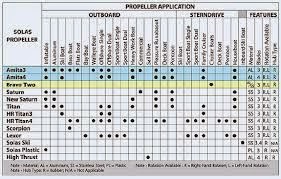
Every prop has two numbers to describe it. The two numbers are pitch and diameter. The other part of the prop is the hub, the hub is the area where the prop shaft is attached. There are three types of basic props we use on pleasure power boats and they are aluminum, stainless steel and brass. Each of these materials has special issues that are associated with its use in prop construction. Aluminum and stainless are the standard on outboard and inboard/outboard configurations where brass is used on inboard configuration. All three of these materials can be repaired with in limits.
                                           

First we will cover Pitch 
 The first number of two marked on the prop. Pitch describes the angle of the blades. A slang term for a prop is the screw and this is for good reason, like a screw  being turned into wood each turn moves the screw a measured depth in the wood. Pitch determines the amount of forward distance the prop travels for each revolution the prop makes. Pitch is measured in inches so a 15 pitch prop moves 15 inches through the water with every complete rotation. Pitch describes two things in layman's terms, imagine the pitch number describing the ability to gain traction, the lower the number the better the take off from a stand still (hole shot) your boat will be. Pitch also could be considered like a gear arraignment the lower the number the more robust the teeth on the gear would be, in other words there is less chance of skipping teeth when you suddenly increase the rotation(speed and torque) speed.

Pitch affects the top speed the boat can produce, the fuel burn your motor uses, and the pulling or pushing power that the boat can provide when the boat is moving from a standing start (hole shot).

Speed
 This is obvious if the prop will move 15 inches with every rotation and the identical motor and boat has a 19 pitch, the 19 pitch moves 4 inches through the water further than the 15 pitch prop. However this is not an unlimited number as the motor will only provide a maximum number of revolutions of the prop, the pitch becomes limited. You could not have a 40 pitch prop as you would never grab enough water to move at all as the prop would simply act like a blender and air the water and spin with no real effect. This is called cavitation, to much cavitation simply boils the water and burns the edges of the prop. So there are a select number of pitch combinations for each motor and boat combination. The magic is to find the prop which gives you the best hole shot (standing start) and the maximum top speed based on the top rpm that it is safe to run the motor.

The next number is diameter 
This is the distance from tip to tip of the prop. The diameter is also a restricted number, as it is restricted by two other items. The diameter of the prop is restricted by the size of the prop shaft. If you try to turn a large diameter prop on a small prop shaft that prop shaft will snap. The torque that the prop places on the shaft would stress the shaft causing the shaft to twist or snap it some where close to the back of the prop. The other item that affects the size of the prop is the location of the anti cavitation plate, this is the flat plate directly above the prop on your gear case. This plate is designed to be even with the water height that is created from the bottom of the boat when you are on plane. If this plate is too high or too low you will not achieve maximum performance of the motor or the boat. This plate also stops the water from simply flying out above the prop creating the maximum forward thrust that the prop develops. You do not want to have a prop which is so close to the plate or the hull that the water cavitates because it cannot pass through the gap between the prop and the anti cavitation plate. In the case of prop being close to the hull you could if you hit something cut a gash through the hull of the boat. These are the reasons why you are generally restricted to one or possibly two diameters you can use.
                                                               
The last part of the prop we described is the hub, this is the center of the prop were the blades start and the shaft penetrates the prop. There are different types of hubs on power boats, the hub is designed and dictated by the prop shaft and or gear case. in the case of an outboard or conventional inboard /out board the hub of the prop has exhaust gases that pass through this area. This is why when the water is clear you can see a trail of bubbles leaving the center of the prop. The hub of this type of prop is the same size as the gear case with open passages through the hub. There are two styles of these props, the break away hub and the fixed hub. You will only be able to determine the type you have by removing the prop off the shaft. When you remove the prop on the inside of the hub you may find a hard plastic block with a hole and splines for the shaft to pass through it. this block is designed to break away if you impact the prop to reduce the prop damage and the possibility of damaging the gears inside the gear case. The fixed hub does not have this plastic block and therefore if you impact the prop you will surely damage or break off the blades and possibly damage the gear case. A racing gear case on an outboard or inboard /outboard has a solid hub similar to an inboard configuration as there is no exhaust port requirement..

Prop materials
are aluminum, stainless steel and brass. On an inboard or inboard outboard configuration the props are made out of aluminum or stainless steel, why is this? The aluminum prop is a soft material which will easily change shape or break away under impact, this is critical to protect the inner workings of the gear case. The disadvantage to an aluminum prop is that the blades flex under load so the pitch is not a constant as you power up or are pushing the boat through heavy sea conditions. The pitch on an aluminum prop will change over time they are not reliable to always remain the same as they were made, affecting performance and fuel burn. Stainless is the next material, it is stronger and rigid so this material gives you reliable pitch through its life and while you power up. The blades do not move around. This great for performance however if you impact the prop you can damage the gear case workings. The stainless prop is more durable and less apt to be as immediately affected by corrosion. The last material is brass which is what the inboard configuration has, brass is less flexible than aluminum and not as durable as stainless. The perfect material for props that you cannot see. If you impact the blades they will flex and break away to help protect the rest of the running gear. One of the disadvantages to brass that the pitch can change with high hours of use, so it is a maintenance item to have your props tuned on a regular schedule. Doing this will keep the performance you should expect and the fuel burn correct. A prop tune is not expensive and will pay you back in fuel burn.
                                                         
Props come in several ways, there are the number of blades, the style of these blades, and the direction of rotation. There are also right hand and left hand rotation. On small outboard motors you will have two blades on more power full outboards and inboard/out boards you will see three and four blade props, the same as inboard configurations.You also see dual prop configurations on more current boats. The amount of blades can assist in achieving the best performance for a hull design, and weight. A four bladed prop can be more efficient in providing pull out of the hole and something called transom lift providing quicker hull planing capabilities. When we talk about left and right hand props this is the direction of the rotation of the drive shafts. When you have a twin configuration you are looking for the starboard drive or shaft to be turning right hand and the port providing you with left hand rotation there is a reason for this set up. In a single motor single prop the boat has a natural tendency to pull to the right going forward and to the left in reverse, by having a counter or left hand rotation on the left side it counters this natural reaction. Which creates a more manageable boat to operate. Twin with right and left hand rotation also provides transom lift, because the props turn in against each other there is a channel of water which is pushed straight down lifting the hull out of the water. This is taken advantage of the most with performance boats where the distance between the props is very small. If you have a twin that has two right hand drives there is a high chance that the drive on the left has been changed, the boat will never perform to it maximum at all. All left hand props are marked with an L, right hand props are not marked.
                                             
Choosing a Prop for your boat requires some calculations which Mercury or Volvo can provide you with based on your specific configuration. If you still feel that you can get a little more out of a prop then a prop repair person can put an extra half pitch in the prop, and yes this does work, you can get a real gain in a half pitch custom set up. Knowing if you have the right prop is an entirely separate topic to cover. When you read the numbers on your prop a 17x19 is a 17 pitch 19 inch diameter, a 17x19L is a 17 pitch 19 inch diameter left hand or counter rotation prop. These numbers are either on the side of the hub or on the end of the hub. If you are not sure a prop repair person can tell you what you have.

There is a mass amount of science to prop construction, materials, and selections. This article was simply to cover basic information, to create a basic understanding. A duo prop drive has one prop turning right and one turning left, so a single duo prop will not have the natural pull to the left or right. Duo prop provides a more stabile steering and control platform. IPS and the new forward drive are all duo prop configurations. If you need more information on props Mercury is running information this year on this topic.


Ask BNM about our new 2015 Services


To guarantee access to all of  Boat Nut Magazine articles, pictures and featured services visit the official Boat Nut Magazine ©™ website. Be sure to reply to the Boat Nut Association registration on our site for the latest Boat Nut weekly and monthly news letters and opportunities.


Copyright 2015 © Boat Nut Media, Toronto, Ontario. All rights reserved. No part of this information/publications may be stored in a retrieval system, transmitted, or reproduced in any way, including but not limited to photocopy, magnetic, or other record, without prior agreement and written permission of the publisher, Boat Nuts Media ©™ No liability is assumed with respect to the information provided.


Thursday, 26 March 2015

Boat Service and Service Plans


http://boatnutmagazine.com/


Develop a Service Plan


Do you really want to have boat ownership that can be budgeted? It can be done. Do not wait for something to break down, set up a service plan. This is done on much larger yachts however this idea has not trickled down to smaller pleasure boats, and I am not sure why. It makes so much sense rather than face big winterizing bills and spring start up bills every year, you should design an annual service program. We suggest you set out an annual arraignment with your service provider. This program will allow you pay an equal amount each month, based on the service provider scheduling regular visits to service your boat. You would provide a list of services based on the hours of operation put on the boat and the trips you may have planned. These service visits are scheduled for each month, quarterly and annually. This not only benefit's the boater as you can create a budget for planned ownership, but the technician will have a year round income so he/she can plan tools, parts purchases, and staff.

The boat owner has the advantage in this negotiation:

1-The boater can negotiate the requested service to cover items you may normally do to save cash.
2-Get the best rate as you are committing to a full year of service at a time.
3-Purchase annual parts when you can buy them for the best prices.
4- Not face large bills at the end or beginning of the season, and reduce the risk of break down.
5- Hold the value of the boat as you can provide a service history, knowing that someone is keeping an eye on the boat at all times is a big selling point for buyers and security for yourself.
6- Preventative maintenance goes a long way to keep up value and reliability.
7- Boat owners can create a package which provides you with a cruise kit, every boater should have a cruise kit. This is a supply of parts that represents the standard list of components that are used regularly for service and breakdown. You can store this kit on the boat or bring it with you if you cruise long distance. A decent cruise kit will add value to your boat at the time of sale.

As a boat owner you need to think about it this way for example if it costs you $3500.00 over a year this will convert to $292.00 per month, instead of seasonal hits and worrying about arraignment of service when you need it. You will also build a relationship with your service provider and your service provider with your boat. If your service provider is in your marina you can create a service plan which includes having the boat checked on in the case of weather or just a general check on a routine basis. Watching for loose lines, unauthorized entry or loose canvas for example. I am not sure why more boaters have not got together and set this up for groups of boats, if you and several of your neighboring boats use the same service provider then this program will be even easier to establish.
                                 
You will need to create or have a service plan put together for your boat based on the propulsion configuration, the accessories on your boat, where your boat is moored, and the hours of use. Once you have all of this information then you must determine the recommended maintenance that all of these items require each year. This can be determined in most cases from access to published flat rate manuals, or from the manuals that you should have received when you purchased the boat. Establishing a service plan may take a little work but it will pay dividends for you the boat owner, you will be able to determine over all cost of owner ship (if you plug in the numbers of marina fees). If you are planning to buy a boat, and you take the time to complete a service plan you will be able to accurately determine the annual cost of ownership. I have seen a lot of boats sold when new boaters buy a boat and are shocked by the cost of ownership, this is why so many boats fall into disrepair or are not used. If you have put a service plan together be sure your insurance company is aware, this way if you have a claim the question of lack of maintenance by the boat owner is not questioned. This program will not stop major break downs however regular service should catch these types of failures before they happen, there are usually always signs of impending break downs.

Boat Nut is designing a down load of a service plan outline, you will only need to enter the details to calculate ownership costs and provide recommended details to develop the best service plan for your boat.  You will be able to use this completed information to calculate the annual costs of a boat before you buy it or create a plan with your service provider. The download will also outline the information you should be asking for from your service provider to be sure that you have selected the correct provider for your needs. Do not assume that the marina or facility that you are using is screening service providers to be sure you sure protected. Also do not assume that if you are in a closed marina where you are having to deal with specific service providers that they are the service providers that they are the right for you or your boat. I personally disagree with closed yards, I believe that forcing relationships never works out well, you as the boat owner should be able to contact any service provider who can meet the criteria standard in the industry.

When you purchase a new used boat it is very important to consider that the service you are receiving is within the parameters of your warranty requirements. quite often you will need to have the technician to sign off that he/she has completed the required service to the standard required and used the correct materials. The technician who signs off should be able to demonstrate that they are trained with a manufacturers certificate related to your service requirements. This will eliminate any questions should you need to process a claim for a failed component. These are the certificates that you see on the walls when you are in your service providers office. If the incorrect products or fluids are not used or you fail to keep up your service requirements than you run the risk of a rejected claim. When you consider the value of many of these components and the fact that you are probably paying for extended warranties, correct service is a necessity,  Establishing a sound service plan will save you head ache and dollars, and in the process you should have a boat with the highest reliability and a side line, you will be maintaining the highest resale value of the boat you own.

Ask us about our new 2015 Services

To guarantee access to all of  Boat Nut Magazine articles, pictures and featured services visit the official Boat Nut Magazine ©™ website. Be sure to reply to the Boat Nut Association registration on our site for the latest Boat Nut weekly and monthly news letters and opportunities.


Copyright 2015 © Boat Nut Media, Toronto, Ontario. All rights reserved. No part of this information/publications may be stored in a retrieval system, transmitted, or reproduced in any way, including but not limited to photocopy, magnetic, or other record, without prior agreement and written permission of the publisher, Boat Nuts Media ©™ No liability is assumed with respect to the information provided.

Wednesday, 25 March 2015

History Of Power Boats


http://boatnutmagazine.com/

 Power Boats 1955 Thru 2015 how things have changed


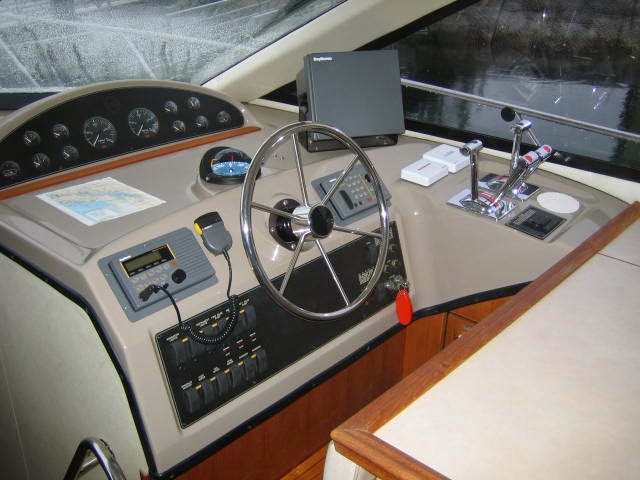
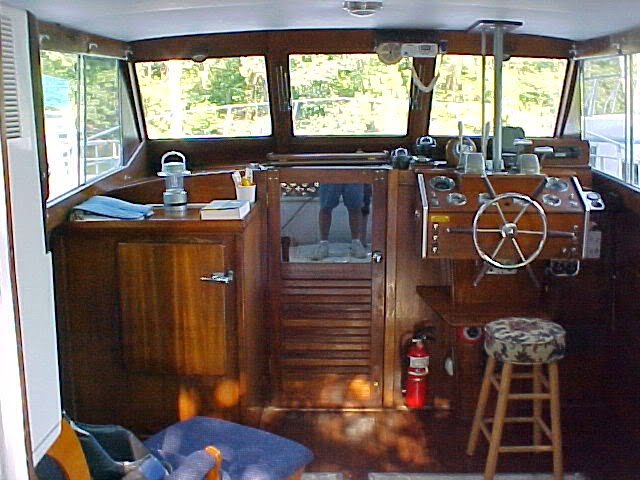
1955 through 1965. This period of time was the final age of the classic woody, which brought us some beautiful classics. Simple and elegant boats, at this time in our boating history a 30 foot cruiser was a big boat. Helms were simple, basic gauges, a captains wheel, only a few switches and controls as electronics were in their infancy. The ride of a wood boat is totally different than a fiberglass boat, the wood boat ran more flat in the water as you go faster the water just seems to rise up the bow. Wood boats did not really climb up on top like today's boats do. No lifting strake. They have unique design features, and you can easily pick out a Trojan, Chris Craft or an Owens. This is where I started boating. Our boat was at BBYC and we moved to Albert's Marina were my father had a ships store, these marinas seemed large but compared to today they were not. Spring was a month of preparation, loads of work and there were launch "DAYS", the boats would take on water until the wood swelled.
1955 Cruiser
1965 Example of helm station
1955 Chris Craft Runabout


1975 Enter fiber glass in mass, glass boats that would last forever, boy that was wrong. I guess they did not know that fiberglass will rot away. Boats are now getting faster 25 to 30 MPH, this was really fast. I remember seeing the first two Fiber Form's they were different in design than anything that came before them, now you could cross the lake in minutes rather than hours. Inboard Outboard technology was advancing you could actually trim the drive even if that meant you trimmed the whole motor up and down and you had a 2 foot square hole in the transom with a huge rubber boot to keep out the water. The Trojan Tri Cabin was so futuristic and so fast, the designs started moving forward and ergonomics now coming into play. The dash was finally starting to morph toward where we are today. Boating was heading for the masses!


1975 Trojan Tri Cabin
1975 Sea Ray Runabout
1975 Larson Runabout
1975 Example of helm station


1985  Boats we see all over still today! The tanks and the fatties, seriously built to last. Sea Ray hits it's stride and boats started growing in size. Now the 30 foot boat is mid range, there is more and more disposable income and it's showing in the marinas every where. Advancements in electronics were starting to move forward and boats now have all the comforts of home. Boat builders are starting to build boats in large volumes and design is starting to move quickly as the builders could change model design almost every year. Boating was now here for the masses. Boats are wide beam and have a presence, the dashes can be four foot wide and packed full of gauges and switches, and the captains wheel is gone now we are headed for an automotive style helm.

1985 Bayliner Runabout

                                       
1985 Sea Ray Sundancer
1985 Example of helm station


1995 The power boating industry is in full swing! Boats are quickly changing and really becoming modern in design. You can now buy any size and any design, options are everywhere. Brought to you by more large boat builders in North America than at any other time before or after. You now see new model designs every single year. European style has crept in and traditional design is on its way out, ergonomics are playing a bigger and bigger role. The marketing is the inside for her and the outside for him. However these boats still require a lot of after purchase additions to be fully loaded. There is lots of plastics, vinyl and creative fake wood. Still 90's boats really were basic compared to today's boats. Your investment did not end at the sale, you would have to install your electronics but not for long.


1995 Bayliner Motor Yacht


1995 Bayliner Runabout
1995 Example of helm station


2005 We are starting to arrive! The boats are radically changing but if you look at the dash the controls are traditional, however you may have a bow thruster from the factory now. Boats are sleeker, full of dock jewellery and the hull sizes are marked out on the side like a bill board. It's become all about how many feet you own. These boats are just starting to see new technology, and are packed full of fake wood and vinyl. There are a few die hard boat builders who install real wood but it's starting to get really expensive to build. I was never sure if I liked the new materials that the boats were boasting. If you have one of these boats you know why new technology like joy stick control came fast. A lot of these designs are not the best for seeing were the dock is, and the horsepower is on its way up, making for fast movements and high speed. It no longer matters the size you can really move on the water.


2005 Sea Ray Sundancer
2005 Campion Runabout
2005 Example of helm station


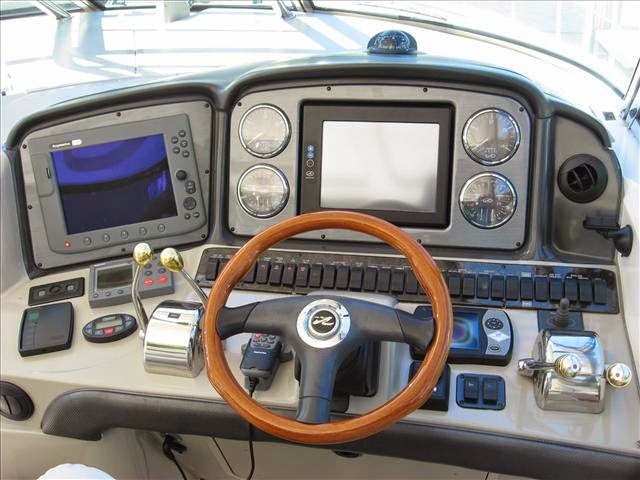
2015 We have arrived new technology is here to stay and changes are going to happen quickly! Electronic steering, new designs of drives and joy stick piloting are all now standard options. Being a captain has for ever changed, out with the old in with the new. Design of boats is following suite they have shaved down the decks and cabin tops and added a pile of windows in the hull. These new features and designs do not come cheap I noticed that an MSRP on a new 22 foot boat was $88,000.00 at this years boat show. Every nook and cranny of the new boat design seems to have a function and those builders who survived the resent economic crash are on their way back. The draw back to this recent design craze is that it is hard to tell one make and model from another. This new integration of technology is the death of the DIY repair owner, you require special software and tools to service these boats, the basics are still there but beyond a socket set. The repair bills for these boats will be equivalent to a new BMW. This will change the used boat market you will not be able to buy one of these boats cheap later and expect to be able to keep it running and reliable. The boats that fall into disrepair will probably plummet in value and the really good ones will remain high in value.

2015 Sea Ray Sundancer
2015 Sea Ray Runabout
2015 Helm station example


Is 2015 the death of the boat which can be purchased used in 10 years and be maintained by an average income earner? Absolutely it is! These boats will be very very expensive to own, so if your going to buy a used boat that is not going to be very expensive to own better buy one previous to 2015 with no new technology in the controls. A good example of this is a Four Winns I know of, with IPS the boat is at least 10 years old last year it had a failure in the electronic steering, the last time I had checked the repair bill was $25,000 and was still not finished. This boat was down for several months last year and this year. So this idea of the last affordable boat is no joke! So keep in mind when buying one, MONEY WILL BE AN OBJECT.

To guarantee access to all of  Boat Nut Magazine articles, pictures and featured services visit the official Boat Nut Magazine ©™ website. Be sure to reply to the Boat Nut Association registration on our site for the latest Boat Nut weekly and monthly news letters and opportunities.


Copyright 2015 © Boat Nut Media, Toronto, Ontario. All rights reserved. No part of this information/publications may be stored in a retrieval system, transmitted, or reproduced in any way, including but not limited to photocopy, magnetic, or other record, without prior agreement and written permission of the publisher, Boat Nuts Media ©™ No liability is assumed with respect to the information provided.

Tuesday, 24 March 2015

First look at Volvo Forward Drive


 http://boatnutmagazine.com/

First look at New Volvo Forward Drive


It's certainly an interesting new idea. For years the industry has known that pulling through the water is more efficient than pushing. The idea of this configuration should assist the amount of water that the boat needs to use as a ballast for creating a wake for wake boarding and should be way more effective in the ability to trim a hull. As the drive trim (up and down) should have more effect on the boat as the props are more forward under the transom. FWD Drive should also eliminate the cavitation problems with the conventional drives we are using now. Due to the fact that the props are uninhibited of the gear case.

I also know how many drives you see that have damaged props. You will have to treat this configuration more as an inboard than an inboard/out board, there will be no sneaking up to the beach.
There are a couple of more concerns that stand out immediately:
1- Volvo shows the drive operating in a really trimmed up position to create a nice wake boarding wave, this creates one hell of an angle on the universal joints a part of the drive shaft. Volvo must have really built these parts up, I wonder what the expected life of these components are if you use the drive in this trim position most of the time.
2- Volvo does not show a picture of a boat on a trailer with this drive, this is a lot of expensive gear pointed straight at the ground while on a trailer. You would want to be sure of how deep the boat ramp your using is, and you certainly would not to drop off the end of a short ramp.
3- The steering must be way more reactive and the turning radius much sharper, this may catch you by surprise at full speed the first few times.
4- I am wondering if they slowed down the trim speed (trim speed is the speed that the drive moves up and down) similar to a race boat were the trim speed is very slow to make the trim more controllable
5- Can you back down hard with the drive in the high trim position, because if you can you will pull the back of the boat right down and with some boats could wash over the platform and through the door. This may also be alarming.

It would seem to be another advancement that will require some new boat performance parameter and some driver education. I have been saying in all my posts Power Boats are going through the fastest most technical advancements ever. Forward Drive maybe a fantastic configuration time will tell. What really concerns us is how all of these new advances will affect the costs of boat ownership because of course these new components do not come cheap. Not at the time of purchase, were talking repair or maintenance. You will require specialty tools and equipment to work on this new technology, this will affect your choice of service providers in 10 years or so.


UPDATE 2016


I HAVE SINCE SEEN THIS DRIVE CONFIGURATION ON SEVERAL BOATS AT THE BOAT SHOW THIS YEAR


Something is not right about the current system on the existing boats I seen!

 
I have not yet driven a boat with this drive but I can tell you that there are issues with the set up. The boats I seen which included a new Cobalt all had a ridiculous trim tab configuration on the back, Why?
There is no way that this is normal by any means. they are either trying to prevent bow dive or the drive is just to much of an advancement for the existing hull designs, either way there is no way I would buy a boat with a tab package that is required to make this system either safe or controllable. In any case this would not be the year to get into this drive configuration! When see that they have not rushed this set up to market and a boat doesn't gave three thousand dollars in tab modifications I will reassess my position.

To guarantee access to all of  Boat Nut Magazine articles, pictures and featured services visit the official Boat Nut Magazine ©™ website. Be sure to reply to the Boat Nut Association registration on our site for the latest Boat Nut weekly and monthly news letters and opportunities.


Copyright 2015 © Boat Nut Media, Toronto, Ontario. All rights reserved. No part of this information/publications may be stored in a retrieval system, transmitted, or reproduced in any way, including but not limited to photocopy, magnetic, or other record, without prior agreement and written permission of the publisher, Boat Nuts Media ©™ No liability is assumed with respect to the information provided.

DO BOATERS REALLY WANT TO KNOW?


 http://boatnutmagazine.com/


                Would boaters send a dollar each to be informed? The industry does not think so.

What do you get for a dollar?
                                             

One of the blog readers has brought up a valuable point which goes to the very heart of this discussion, he wanted to be sure that readers are well informed and do not make decisions based on what they read. Will the readers make bad decisions about there purchases or the way they run their boats. I can not agree more. Boat Nut provides information to make you think about boating and your boat. Boat Nut does not advise you one way or the other regarding boat brands or products to purchase. We invite any one who has an opinion or a topic of interest to contact us. This being said I know not everyone will agree with a shared opinion, but it is a start. If a blog makes you think about or begin to discuss a topic then we are half way there. The divisions of opinion are healthy to have, if you are passionate about the topic I invite you to write about it, the goal is to get as much real world experiences out there for the boating community to read. Boat Nut was told that we would never get the interest of Power Boaters that there was no market, this was mainly from companies that I had worked with in the US. We are here to prove that assumption wrong. I have lived and worked in the US and Canada over the past 35 years and there are unique issues and problems associated with different regions and environments. To expand the amount and quality of information we provide we need to first get some topics out there and see what the response is. Boat Nut can then provide more detailed postings on specific topics. The fact is that even the research we do is a lot of time mis informed when you compare it to real life.  A great example of this was this year a Sea Ray yacht which was weighed on a scale and the numbers were so far off  the published numbers it was not even funny, but not surprising. If I got into the reasons why this could happen I would have to write a book. this was a brand new undelivered boat based on dry weight, so if we provide real world information and we are to compared it to published details our information maybe quite a bit different than you expect. That is the whole idea real world cause and effect, or experiences for the public to think about.  

Today when we go to make a purchase we all go on line to shop for the best deal and to become informed about the best products with the best warranty, we look for public input and feedback. Buyers do not believe all the hype and propaganda that manufacturers pepper us with, we want real opinions and feed back. Once we have the information we are looking for then we go and make the purchase. The boating industry is no different a good example of this was the 2015 Toronto Boat Show. Overall attendance was down but sales were up. Consumers are making up there mind what they want before they go out to buy. In fact there was an entire website set up to pre shop and preview the boat show before going. In the automotive industry there are masses of consumer information available, a lot of quality non bias information. This is represented by the show Top Gear (the worlds most popular show) where the hosts can actually speak their mind and tell you a car is not worth a damn. I respect this candid opinion. When you consider what is spent on average to purchase and own a boat you would think that this would be straight forward. The same information would be and should be available, but is it?

Try Google searching the topic the most popular power boat ever, the safest power boat ever, or the best power boat ever and see what the response is. The bottom line is that there is more information on super yachts than pleasure boats. I really do not care about the sexiest boat design. I am looking for non biased, well presented honest information, where is it? The problem is there is very little interest at most levels to discuss this topic. Maybe it is fear that lots of boats are crap, or if we are honest boats are expensive to own and we do not want those secrets to get out! Boat Nut really wants to provide real facts and feedback about power boats, the boats design and performance, the cost of ownership and related topics. We must be able to prove there is a market for this information.
                                             
Map of our readers around the world
                                  
Here is the only way we see doing this is the following. We have readers all over the globe, at this point we ask you to take a genuine interest and spend a dollar each. If it is to difficult to break away from a dollar at least contact us so we can let the industry know that there is a market and that power boaters are not just out spending money blindly on our passion. If you can support us I gaurantee you coverage on topics that will open your eyes and save you money.

Seriously are you the boaters really interested in knowing about the industry you support, if you are then spend a dollar. Boaters spend masses of cash. Which is another valid question we like to ask, how much do boaters spend? Why are we limited on opinions compared to other products that are lifestyle related, there is more information on cell phones and cottages than boats.

What will we do with our dollars we will donate them to Humber College School of Sailing to develop power boat education programs!

To mail a dollar: Boat Nut Media 204 Lake Promenade Etobicoke Ontario Canada M8W 1A8
or contact our email BoatNutMedia@gmail.com to receive ways to pay your dollar support online.

To guarantee access to all of  Boat Nut Magazine articles, pictures and featured services visit the official Boat Nut Magazine ©™ website. Be sure to reply to the Boat Nut Association registration on our site for the latest Boat Nut weekly and monthly news letters and opportunities.


Copyright 2015 © Boat Nut Media, Toronto, Ontario. All rights reserved. No part of this information/publications may be stored in a retrieval system, transmitted, or reproduced in any way, including but not limited to photocopy, magnetic, or other record, without prior agreement and written permission of the publisher, Boat Nuts Media ©™ No liability is assumed with respect to the information provided.