Showing posts with label New Technology. Show all posts

Wednesday, 18 November 2015

SWIMPLATFORM EXTENTIONS


http://boatnutmagazine.com/


           SWIMPLATFORM EXTENTIONS


It is popular now a days to modify our boats and add the accessories that we see on new boats, to change the issues that older boats were plaiged with in the 80s and 90s. Boat owners are doing things as simple as changing to LED lights right through to adding oversize swim platform extensions and everything in between. Trying to create a more up to date and usable boat, is this a good idea? Will these type of modification affect the performance of the boat (both mechanical and ride performance). I have operated a few boats where the addition of accessories had completely destroyed the performance of the boat. Unfortunately it always seems to be the first time boat buyer who ends up owning these boats, the seller knows the boat is no longer performing but the new boater has nothing to compare the boat to and assumes the ride is natural.

What are the problems associated with installing accessories like swim plat forms, radar arches, generators, extra batteries and other weight and load changing items to our boats. All boats that come to market are designed with several important standards and measurements in mind, these include floatation, center of gravity and load weight balance. The boats are engineered and weighed with full loads this includes fuel, fresh water, batteries all of the systems that the boat was designed to have and use from the factory. Changes to any of these measurements will change the way the boat handles and performs.

 By adding weight you affect the way the boat sits in the water when at the dock. This can include a list to one side, a drop in the water line (aft, forward or over all). These change can and will affect exhaust flow, safe height for thru hull locations from the water line, proper operation of bilge pumps, and of course the ability for floatation that the manufacturer installs to work correctly or at all. In the case of a list many boaters try to counter act it by adding more dead weight to the high side making the situation worse. The moment that you have changed the load enough to create a change at the water line you have changed the way the boat will perform. Keeping in mind I have not allowed for all your personal items you keep on the boat and for some boaters this can be the equivilent of a pick up truck load of items of all shapes, weight and description.

  Lets go over the main items we add to our boats now a days to make them more up to date:


Swim platform extension: The first question you need to ask is did my boat come with this option what was the size and how was it mounted. Am I running the correct engine package combination to accept this accessory. Quite often the boat you have did not have the platform added at the factory due to the fact that the boat has V6 power rather than V8 power or you may have a single engine rather than a twin engine combination. Possibly the boat came optioned with a bundle of accessories that you don't have and this could include counter weight items that are moved forward such as a generator in front of the motors to offset a heavier transom load. If you are planning to add a platform to a boat that did not come with this option here are the things you need to consider.
  • What is a reasonable size. You may want a patio back there but can you see it from the helm, how much extra in slip fees will this cost you as you are changing the length over all. What are you really using the swim platform for, is it just to make boarding the boat easier and are you looking to mount a BBQ. How will this change the way I tie my boat up during bad weather
    .
  • How much does it weigh. Load weight right on the transom is one of the evasive changes to a boat you can make. The reason for this is you are directly affecting the center of gravity. This will change the way the boat planes, the affect of the trim tabs and drive trim. The depth of water the drives are in at the dock, and the exhaust flow. If you have thru hull exhaust you can sink the ports under the water completely or only part way either is not a good thing. this can increase the back pressure on the motor, and possibly leave the mufflers full of water at all times. In the case of and inboard out board it will change the height of the exhaust water in the bull horn ( the exhaust outlet at the back of the motor) outing stress on the flapper valves and increasing the opportunity to hydrolic the motor on shut down or while backing up. Both of these situations are expensive to repair and can blow a motor.  

  • How will the hull run after. A swim platform can create several bad situations if it is not designed to match the boat correctly. If the platform is mounted down low two important effects can happen. the first is suction this is when the bow of the boat starts to lift and the platform is right down in or at the surface of the water, this creates a vacuum effect were the boat has to power past and pull the platform out of the water. When this happens the boat lays bow up for way to long and with out enough power will not plane at all. The second is the following sea scenario were the platform act like a trim tab and lifts the back of the boat out of the water. As the waves roll up behind they get under the platform and have no were to break so it just lifts the boat up and can create a situation were you can no longer control the boats direction. This same situation will show itself while trying to back down or if you are floating or at anchor. The boat can actually come right around on you and you will be facing the direction you were coming from in a second!

  • What will it be mounted to. There are three ways to mount an extension, over the platform, under the platform or directly to the transom. Most over platforms mount this way to prevent the trim tab effect, the silly part of this is the platform is useless as the platform sits a foot or more out of the water. they look more like a back deck than a swim platform. The second is under mount this is generally how the factory installs platform extensions. it is clean neat and functional, But you need to restrict the size try to stay close to the factories sizes any more and you will probably find it floating past you one day. You must be sure that all the interior support structure is in the boat to do this as the bolts go up through the bottom of the platform hull area. Just because the boat was designed for this does not mean that the support structure is in the boat. The third is way is to mount right to the boat transom, picking the right height and being sure that the structure of the transom is solid is important. You do not want to half ass this mounting set up. Quite often there are issues with this set up as a larger platform will require different bolt patterns and support bars. Check the engine compartment first you may have steering bars, pumps, or your motors may be so close that placing support bars were they need to be maybe impossible. Try to remember that in some cases the reason for the factory installing small platforms is an engineering issue not just due to the fact that they were not wanting to do more.

  • What do you want the extension for. If you want a functioning platform than you probably will not like the over mount platform at all, the platform can be unusable for swimming and re boarding. This falls into a safety issue as well if you have high decks or deck sides you need to be able to get down to the water in the case of an accident. It would be ridiculous to attempt to get a hurt person up more than a foot out of the water on this type of platform. In some cases that the re boarding issue, if you feel over board was the only reason the factory put any platform at all on the boat. Not all accessories were created for there good looks they just had to function. If you are just trying to add length seriously sell the boat and buy a bigger one.
Just do not assume that the extension you buy or have built will work you need to consider a lot of things before you slap three feet of floor on the back of your boat!   It can turn out fantastic or be the biggest failure and destroy the performance characteristics of a great boat.
    Davit Systems fall under the same rules as adding a platform they are both transom load weight additions. You must make the same considerations to the boat in either case, The difference with a davit system is that you can calculate the weight load and have a marine engineer or the manufacturer inform you of its feasibility and the effects of the weight. If you buy a boat with a davit system be sure you find out the recommended load before you just load your sea doo or tender.

      To guarantee access to all of  Boat Nut Magazine articles, pictures and featured services visit the official Boat Nut Magazine ©™ website. Be sure to reply to the Boat Nut Association registration on our site for the latest Boat Nut weekly and monthly news letters and opportunities.


      Copyright 2015 © Boat Nut Media, Toronto, Ontario. All rights reserved. No part of this information/publications may be stored in a retrieval system, transmitted, or reproduced in any way, including but not limited to photocopy, magnetic, or other record, without prior agreement and written permission of the publisher, Boat Nuts Media ©™ No liability is assumed with respect to the information provided. 
       

    Thursday, 26 March 2015

    Boat Service and Service Plans


    http://boatnutmagazine.com/


    Develop a Service Plan


    Do you really want to have boat ownership that can be budgeted? It can be done. Do not wait for something to break down, set up a service plan. This is done on much larger yachts however this idea has not trickled down to smaller pleasure boats, and I am not sure why. It makes so much sense rather than face big winterizing bills and spring start up bills every year, you should design an annual service program. We suggest you set out an annual arraignment with your service provider. This program will allow you pay an equal amount each month, based on the service provider scheduling regular visits to service your boat. You would provide a list of services based on the hours of operation put on the boat and the trips you may have planned. These service visits are scheduled for each month, quarterly and annually. This not only benefit's the boater as you can create a budget for planned ownership, but the technician will have a year round income so he/she can plan tools, parts purchases, and staff.

    The boat owner has the advantage in this negotiation:

    1-The boater can negotiate the requested service to cover items you may normally do to save cash.
    2-Get the best rate as you are committing to a full year of service at a time.
    3-Purchase annual parts when you can buy them for the best prices.
    4- Not face large bills at the end or beginning of the season, and reduce the risk of break down.
    5- Hold the value of the boat as you can provide a service history, knowing that someone is keeping an eye on the boat at all times is a big selling point for buyers and security for yourself.
    6- Preventative maintenance goes a long way to keep up value and reliability.
    7- Boat owners can create a package which provides you with a cruise kit, every boater should have a cruise kit. This is a supply of parts that represents the standard list of components that are used regularly for service and breakdown. You can store this kit on the boat or bring it with you if you cruise long distance. A decent cruise kit will add value to your boat at the time of sale.

    As a boat owner you need to think about it this way for example if it costs you $3500.00 over a year this will convert to $292.00 per month, instead of seasonal hits and worrying about arraignment of service when you need it. You will also build a relationship with your service provider and your service provider with your boat. If your service provider is in your marina you can create a service plan which includes having the boat checked on in the case of weather or just a general check on a routine basis. Watching for loose lines, unauthorized entry or loose canvas for example. I am not sure why more boaters have not got together and set this up for groups of boats, if you and several of your neighboring boats use the same service provider then this program will be even easier to establish.
                                     
    You will need to create or have a service plan put together for your boat based on the propulsion configuration, the accessories on your boat, where your boat is moored, and the hours of use. Once you have all of this information then you must determine the recommended maintenance that all of these items require each year. This can be determined in most cases from access to published flat rate manuals, or from the manuals that you should have received when you purchased the boat. Establishing a service plan may take a little work but it will pay dividends for you the boat owner, you will be able to determine over all cost of owner ship (if you plug in the numbers of marina fees). If you are planning to buy a boat, and you take the time to complete a service plan you will be able to accurately determine the annual cost of ownership. I have seen a lot of boats sold when new boaters buy a boat and are shocked by the cost of ownership, this is why so many boats fall into disrepair or are not used. If you have put a service plan together be sure your insurance company is aware, this way if you have a claim the question of lack of maintenance by the boat owner is not questioned. This program will not stop major break downs however regular service should catch these types of failures before they happen, there are usually always signs of impending break downs.

    Boat Nut is designing a down load of a service plan outline, you will only need to enter the details to calculate ownership costs and provide recommended details to develop the best service plan for your boat.  You will be able to use this completed information to calculate the annual costs of a boat before you buy it or create a plan with your service provider. The download will also outline the information you should be asking for from your service provider to be sure that you have selected the correct provider for your needs. Do not assume that the marina or facility that you are using is screening service providers to be sure you sure protected. Also do not assume that if you are in a closed marina where you are having to deal with specific service providers that they are the service providers that they are the right for you or your boat. I personally disagree with closed yards, I believe that forcing relationships never works out well, you as the boat owner should be able to contact any service provider who can meet the criteria standard in the industry.

    When you purchase a new used boat it is very important to consider that the service you are receiving is within the parameters of your warranty requirements. quite often you will need to have the technician to sign off that he/she has completed the required service to the standard required and used the correct materials. The technician who signs off should be able to demonstrate that they are trained with a manufacturers certificate related to your service requirements. This will eliminate any questions should you need to process a claim for a failed component. These are the certificates that you see on the walls when you are in your service providers office. If the incorrect products or fluids are not used or you fail to keep up your service requirements than you run the risk of a rejected claim. When you consider the value of many of these components and the fact that you are probably paying for extended warranties, correct service is a necessity,  Establishing a sound service plan will save you head ache and dollars, and in the process you should have a boat with the highest reliability and a side line, you will be maintaining the highest resale value of the boat you own.

    Ask us about our new 2015 Services

    To guarantee access to all of  Boat Nut Magazine articles, pictures and featured services visit the official Boat Nut Magazine ©™ website. Be sure to reply to the Boat Nut Association registration on our site for the latest Boat Nut weekly and monthly news letters and opportunities.


    Copyright 2015 © Boat Nut Media, Toronto, Ontario. All rights reserved. No part of this information/publications may be stored in a retrieval system, transmitted, or reproduced in any way, including but not limited to photocopy, magnetic, or other record, without prior agreement and written permission of the publisher, Boat Nuts Media ©™ No liability is assumed with respect to the information provided.

    Wednesday, 25 March 2015

    History Of Power Boats


    http://boatnutmagazine.com/

     Power Boats 1955 Thru 2015 how things have changed


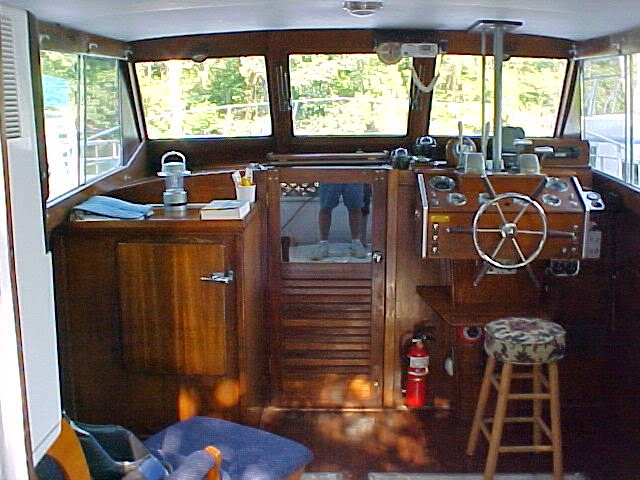
    1955 through 1965. This period of time was the final age of the classic woody, which brought us some beautiful classics. Simple and elegant boats, at this time in our boating history a 30 foot cruiser was a big boat. Helms were simple, basic gauges, a captains wheel, only a few switches and controls as electronics were in their infancy. The ride of a wood boat is totally different than a fiberglass boat, the wood boat ran more flat in the water as you go faster the water just seems to rise up the bow. Wood boats did not really climb up on top like today's boats do. No lifting strake. They have unique design features, and you can easily pick out a Trojan, Chris Craft or an Owens. This is where I started boating. Our boat was at BBYC and we moved to Albert's Marina were my father had a ships store, these marinas seemed large but compared to today they were not. Spring was a month of preparation, loads of work and there were launch "DAYS", the boats would take on water until the wood swelled.
    1955 Cruiser
    1965 Example of helm station
    1955 Chris Craft Runabout


    1975 Enter fiber glass in mass, glass boats that would last forever, boy that was wrong. I guess they did not know that fiberglass will rot away. Boats are now getting faster 25 to 30 MPH, this was really fast. I remember seeing the first two Fiber Form's they were different in design than anything that came before them, now you could cross the lake in minutes rather than hours. Inboard Outboard technology was advancing you could actually trim the drive even if that meant you trimmed the whole motor up and down and you had a 2 foot square hole in the transom with a huge rubber boot to keep out the water. The Trojan Tri Cabin was so futuristic and so fast, the designs started moving forward and ergonomics now coming into play. The dash was finally starting to morph toward where we are today. Boating was heading for the masses!


    1975 Trojan Tri Cabin
    1975 Sea Ray Runabout
    1975 Larson Runabout
    1975 Example of helm station


    1985  Boats we see all over still today! The tanks and the fatties, seriously built to last. Sea Ray hits it's stride and boats started growing in size. Now the 30 foot boat is mid range, there is more and more disposable income and it's showing in the marinas every where. Advancements in electronics were starting to move forward and boats now have all the comforts of home. Boat builders are starting to build boats in large volumes and design is starting to move quickly as the builders could change model design almost every year. Boating was now here for the masses. Boats are wide beam and have a presence, the dashes can be four foot wide and packed full of gauges and switches, and the captains wheel is gone now we are headed for an automotive style helm.

    1985 Bayliner Runabout

                                           
    1985 Sea Ray Sundancer
    1985 Example of helm station


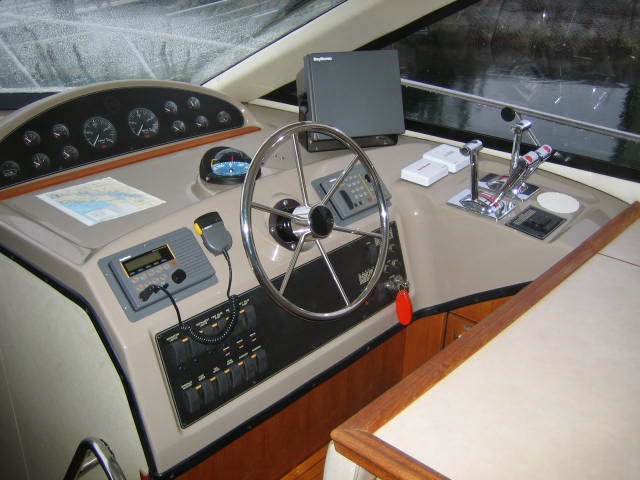
    1995 The power boating industry is in full swing! Boats are quickly changing and really becoming modern in design. You can now buy any size and any design, options are everywhere. Brought to you by more large boat builders in North America than at any other time before or after. You now see new model designs every single year. European style has crept in and traditional design is on its way out, ergonomics are playing a bigger and bigger role. The marketing is the inside for her and the outside for him. However these boats still require a lot of after purchase additions to be fully loaded. There is lots of plastics, vinyl and creative fake wood. Still 90's boats really were basic compared to today's boats. Your investment did not end at the sale, you would have to install your electronics but not for long.


    1995 Bayliner Motor Yacht

    
    1995 Bayliner Runabout
    1995 Example of helm station


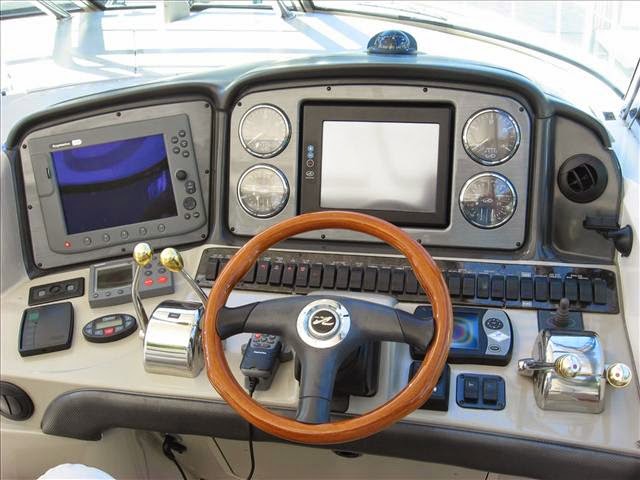
    2005 We are starting to arrive! The boats are radically changing but if you look at the dash the controls are traditional, however you may have a bow thruster from the factory now. Boats are sleeker, full of dock jewellery and the hull sizes are marked out on the side like a bill board. It's become all about how many feet you own. These boats are just starting to see new technology, and are packed full of fake wood and vinyl. There are a few die hard boat builders who install real wood but it's starting to get really expensive to build. I was never sure if I liked the new materials that the boats were boasting. If you have one of these boats you know why new technology like joy stick control came fast. A lot of these designs are not the best for seeing were the dock is, and the horsepower is on its way up, making for fast movements and high speed. It no longer matters the size you can really move on the water.


    2005 Sea Ray Sundancer
    2005 Campion Runabout
    2005 Example of helm station


    2015 We have arrived new technology is here to stay and changes are going to happen quickly! Electronic steering, new designs of drives and joy stick piloting are all now standard options. Being a captain has for ever changed, out with the old in with the new. Design of boats is following suite they have shaved down the decks and cabin tops and added a pile of windows in the hull. These new features and designs do not come cheap I noticed that an MSRP on a new 22 foot boat was $88,000.00 at this years boat show. Every nook and cranny of the new boat design seems to have a function and those builders who survived the resent economic crash are on their way back. The draw back to this recent design craze is that it is hard to tell one make and model from another. This new integration of technology is the death of the DIY repair owner, you require special software and tools to service these boats, the basics are still there but beyond a socket set. The repair bills for these boats will be equivalent to a new BMW. This will change the used boat market you will not be able to buy one of these boats cheap later and expect to be able to keep it running and reliable. The boats that fall into disrepair will probably plummet in value and the really good ones will remain high in value.

    2015 Sea Ray Sundancer
    2015 Sea Ray Runabout
    2015 Helm station example


    Is 2015 the death of the boat which can be purchased used in 10 years and be maintained by an average income earner? Absolutely it is! These boats will be very very expensive to own, so if your going to buy a used boat that is not going to be very expensive to own better buy one previous to 2015 with no new technology in the controls. A good example of this is a Four Winns I know of, with IPS the boat is at least 10 years old last year it had a failure in the electronic steering, the last time I had checked the repair bill was $25,000 and was still not finished. This boat was down for several months last year and this year. So this idea of the last affordable boat is no joke! So keep in mind when buying one, MONEY WILL BE AN OBJECT.

    To guarantee access to all of  Boat Nut Magazine articles, pictures and featured services visit the official Boat Nut Magazine ©™ website. Be sure to reply to the Boat Nut Association registration on our site for the latest Boat Nut weekly and monthly news letters and opportunities.


    Copyright 2015 © Boat Nut Media, Toronto, Ontario. All rights reserved. No part of this information/publications may be stored in a retrieval system, transmitted, or reproduced in any way, including but not limited to photocopy, magnetic, or other record, without prior agreement and written permission of the publisher, Boat Nuts Media ©™ No liability is assumed with respect to the information provided.
    Wednesday, 11 March 2015

    MARINE SAFETY SCHOOL JOY STICK PILOTING


    http://boatnutmagazine.com/

                 JOY STICK PILOTING CONTROL BASICS


                                  MARINE SAFETY SCHOOL

                  
                          E Mail boatnutmedia@gmail.com for your candidate application

      Boat Nut Media has created the most comprehensive new power boat technology operators course


    Each candidate must prove that they hold a current boat operations card (if applicable) and fill out a form swearing that they have more than 20 hours of power boat operation.

    JOY STICK PILOTING BASICS  is a complete program broken down into 36 components, due to the subject, quality and amount of material covered Boat Nut Media is unable to offer this program as a down load only. The candidate will have to complete a written test which Boat Nut Media can provide in any major language, This way we can supply you with a certificate of graduation, Which depending on what country you are in may provide you with an insurance discount. "Boat Nut Media does not guaranty an insurance discount". You can have you and your co captain take the course together.


                Boats today are going through incredible transformations in 2015. We can purchase boats with multiple joy stick controls, such as Axius, IPS, Aft and Forward thrusters, Auto ride, self-leveling systems, electronic shifting and steering, self-anchoring, as well as many other up to date, and technologically advanced equipment. Boat manufacturers are spending a great deal of time and money on design and ergonomics to obtain specific performance to achieve a boat fine tuned to its owner’s needs. Perhaps wake board boats demonstrate this the best.

                This being said, It is still important much like aircrafts we understand what a boat is and how it works. The addition of joy stick piloting does not change the basics of what a boat is or how it works. In actuality some new designs will require technology to make them manageable.

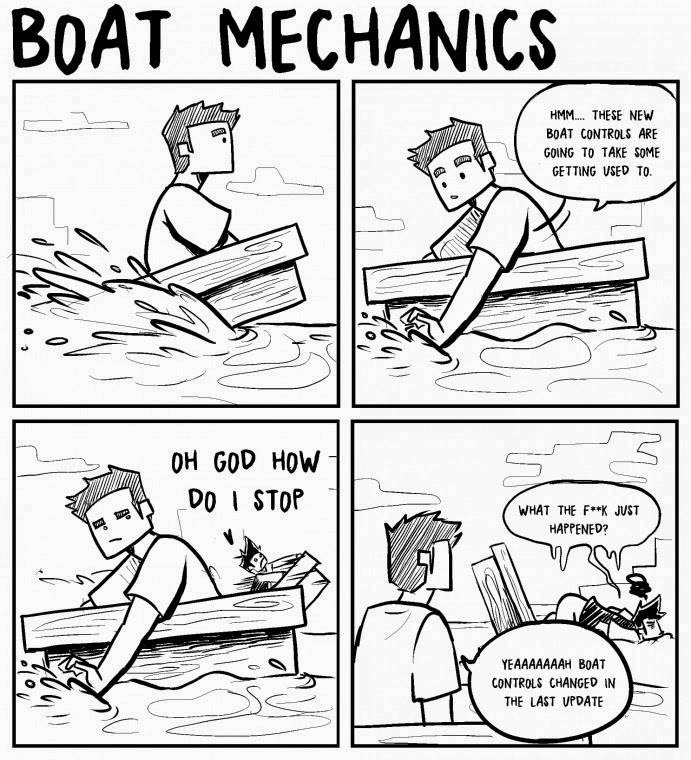
    Drive by wire- Boat Captains will have to become familiar with new systems such as Axius. Axius is a steering control system which allows the boat to be controlled in several modes and by joy stick. The initial change this brings is over confidence or complete reliance on these systems. That being said, the PDF file on the Axius system is 44 pages long, How many Captains and more importantly how many every day boat users will read the whole thing? How many will read, learn and practice these systems before a trip out?
    The basics are still important, understanding your boats behavior and basic old school helm and stick controls must be practiced and understood as well. The differences while doing these manoeuvers will be speed in both steering and shifting, the Captain will feel rather no or artificial feedback. This change’s the way the Captain must focus and respond to his/her vessel. Joy stick control can be selected to make the vessel easier to control, which works fantastic sideways, also allowing full rotation of the vessel all at the captain’s fingertips. This system also included sky hook, when the vessel has the correct electronics to make it operate. Sky Hook, a way of anchoring allows the captain to keep the boat in one location, without having to drop anchor. It’s a great addition to an arsenal of electronic assistance, but again the Captain must understand their surroundings and the effects of prop wash and prop trenching as the motors will rev and steer on their own. The Axius system may not be appropriate in a tight marina with other boats tied up in close proximity to you. Your boat may cause damage to other boats, swimmers or environment. It is in these surrounding’s you will most often see untrained, uneducated captains lose control of their vessels. This will result in a series of unfortunate events leading to damage, as stated above, fear, loss of control over both systems, and boat, and in worst case scenarios, even death of crew or bi standers                           

    Photo Provided by: Mercury Marine


    This program is approved by MERCURY MARINE so you know that you are receiving the highest quality information available. Graduates can request one on one personal operation training on their own vessel to be sure they understand the fundamentals. 


    Contact: Marine Safety School @ 416 995-6806 For More Information 


                                             "WE WILL MAKE A BOAT NUT OUT OF YOU"


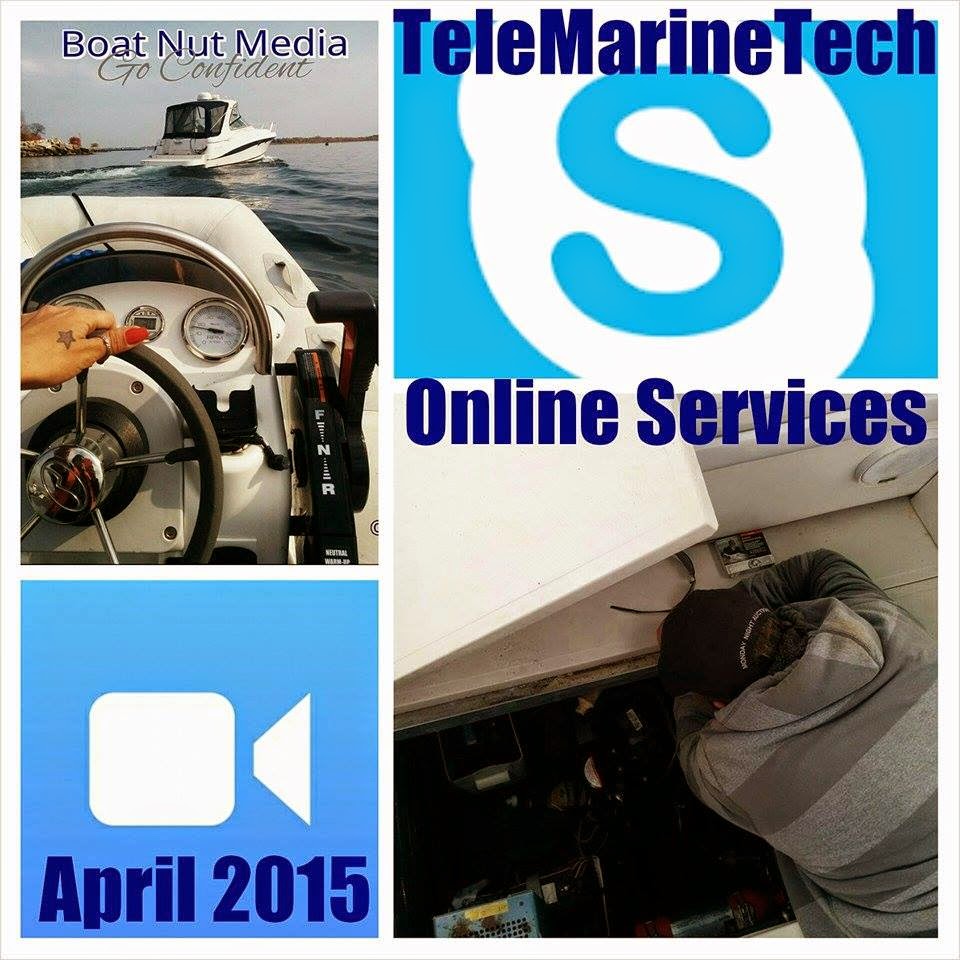
    Boat Nut Media will provide access to International Boaters ONE on ONE through online classes to start in April 2015, These live online class will be limited and made available over Skype or Zoom conference apps, so candidates must have Skype or Zoom access, and access to debit, credit card or Pay Pal account for payment of course.

    To guarantee access to all of  Boat Nut Magazine articles, pictures and featured services visit the official Boat Nut Magazine ©™ website. Be sure to reply to the Boat Nut Association registration on our site for the latest Boat Nut weekly and monthly news letters and opportunities.

    Copyright 2015 © Boat Nut Media, Toronto, Ontario. All rights reserved. No part of this information/publications may be stored in a retrieval system, transmitted, or reproduced in any way, including but not limited to photocopy, magnetic, or other record, without prior agreement and written permission of the publisher, Boat Nuts Media ©™ No liability is assumed with respect to the information provided.