Showing posts with label Buying Boats. Show all posts

Sunday, 7 August 2016

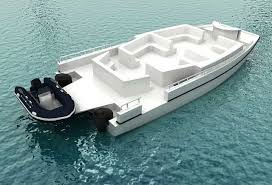
IS THIS THE FUTURE FOR THE DECK BOAT?

DECK BOATS ARE HERE TO STAY


WHAT WILL THE FUTURE DESIGN BRING ?


To guarantee access to all of  Boat Nut Magazine articles, pictures and featured services visit the official Boat Nut Magazine ©™ website. Be sure to reply to the Boat Nut Association registration on our site for the latest Boat Nut weekly and monthly news letters and opportunities.


Copyright 2015 © Boat Nut Media, Toronto, Ontario. All rights reserved. No part of this information/publications may be stored in a retrieval system, transmitted, or reproduced in any way, including but not limited to photocopy, magnetic, or other record, without prior agreement and written permission of the publisher, Boat Nuts Media ©™ No liability is assumed with respect to the information provided
Connect with the Magazine web site 

Tuesday, 2 February 2016

EGYPT INTERNATIONAL BOAT SHOW PICTURES AND CURRENT SHOW INFORMATION C/W MARKET INFORMATION


EGYPT BOAT SHOW

 EGYPT is listed in the NMMA Power Boat International Resource Guide


It was a little difficult to find info on Eygpt Boat Show 


2011 Boat Show


Egypt International Boat Show

Boat show in Cairo
Over the past few decades the water sports and boating industry in Egypt has grown tremendously and in response to this demand, it was felt that a platform to show case and develop the industry further was needed. The Egypt International Boat Show is the result and is a platform on which to present products and give companies the opportunity to show off the industries newest innovations to both other companies and people who are water sport enthusiasts.
The show has been developed by Art Line Organisation, Sports and Fitness Magazine and the water sports industry and has earned a reputation as a top quality event both for exhibitors and for members of the public who visit the event. The event itself is held at the Cairo International Convention and Exhibition Centre annually and normally takes place annuallyu and in the month January.
There is a range of exhibits and equipment to see on offer with items ranging from the sports based industry; water skiing, surfing, wind surfing, and scuba equipment, to the more exclusive yachts, motorboats and charters. There are a diverse range of people who visit the show, from dealers and brokers for luxury yachts to marina developers and sailing schools.
There are also a wide range of importers and exporters of relevant items and well as boat, canoe and equipment companies attending, making it an ideal forum for business networking and deal making. There are a huge range of exhibitors to visit at the event with boat, sailing and yachting companies selling accessories, water sports equipment sales and demonstrations as well as stands on water tourism for the public including cruises and charters.


Overview

With a population of over 85 million and a GDP of USD 257 billion, the Egyptian economy is one of the largest in the Middle East and North Africa. Bilateral trade between Egypt and the United States grew to USD 8.48 billion in 2012—a 2 percent increase over 2011. The United States is Egypt’s second largest trading partner, and remains the second largest foreign investor in Egypt. Though Egypt is currently experiencing a post-revolution economic slowdown, this should not dissuade companies from looking at the potential that exists in this, the largest Arab country, in the medium- and long-term.

The Egyptian market is characterized by high overall consumption rates and significant income disparities. As a result, there is a customer for every product in Egypt, even if some items are sought by a limited number of Egypt’s consumers. Due to the high costs of acquisition and maintenance, pleasure boats fall into a category of goods that has a limited volume of consumers; yet still, the pleasure boat industry has its Egyptian customer base.


Current Market Trends


Before 2005 the leisure boats traded in Egypt were mostly used and very few people could afford them. The year 2005, however, marked a turning point in maritime market dynamics in general, and in the pleasure boat subsector in particular. It was during this year when the Egyptian government shaved off almost 90 percent of the customs duties on all categories of imported ships and boats as part of the customs reform program, reducing the fees levied from 45 percent to 5 percent plus sales tax.


 Copyright 2015 © Boat Nut Media, Toronto, Ontario. All rights reserved. No part of this information/publications may be stored in a retrieval system, transmitted, or reproduced in any way, including but not limited to photocopy, magnetic, or other record, without prior agreement and written permission of the publisher, Boat Nuts Media ©™ No liability is assumed with respect to the information provided

Friday, 8 January 2016


http://boatnutmagazine.com/


 TORONTO BOAT SHOW/ WELCOME 2016 BOATING YEAR

 
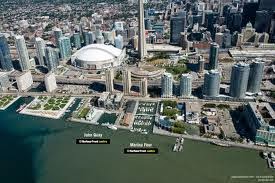
Here we go, we gave you a little teaser of what's new this year. Boat Nut is headed for the TO Boat Show touted as the largest indoor boat show in North America.
 
This year we will bring you all the highlights we can, as there are 100,000 of you who place your eyes on what we have to say we have decide to ask you, do you have any questions that we can answer for you? If you want to know about a boat, a boat accessory or any related topics hit us up on twitter, facebook or email @ boatnutmedia@gmail.com. We will be around the show if you would like to meet we would be happy to do so. Before we launch our on line magazine we will review a couple of boats and boating products, down load some video and generally have some fun with the start of the new year.
 
We have many readers from around the globe and the numbers are growing by an average of 100 per day. So if you are in an area were getting to a boat show is not easy we will try to accommodate you and video any request that you may have. Just ask!
 
Boat Nut works very hard to represent you the boater we take pride in bringing you the information and topics that interest you!
 
 
We Thank You for your interest and support:  Authors at Boat Nut


Copyright 2015 © Boat Nut Media, Toronto, Ontario. All rights reserved. No part of this information/publications may be stored in a retrieval system, transmitted, or reproduced in any way, including but not limited to photocopy, magnetic, or other record, without prior agreement and written permission of the publisher, Boat Nuts Media ©™ No liability is assumed with respect to the information provided

Sunday, 5 April 2015

Hull Identification Number all you Need to Know


http://boatnutmagazine.com/


HULL ID NUMBERS AND MANUFACTURERS ID CODES


Hull Identification Number

The Hull Identification Number (HIN) consists of 12 consecutive characters (capital letters of the alphabet and/or Arabic numerals) with no spaces, slashes, oblique stroke or hyphens between them. These characters are:
* A three digit Manufacturers Identification Code (MIC) followed by
* A five character manufacturers hull serial number and
* Four figures giving the date of manufacturer

Manufacturers Identification Code

The Manufacturers Identification Code (MIC) consists of three characters (block capitals or numbers) forming the first three characters of the HIN, as issued by Coast guard. It identifies the plant of manufacturer and is unique to whom it is issued.

Hull Serial Number

Characters four through eight of the HIN are the individual hull serial number which is defined by the manufacturer. No two boats are assigned the same hull serial number. The hull serial number consists of capital letters of the alphabet or Arabic numerals or both, exceptions being the letters I, O and Q, they are not used.

Characters nine through twelve of the HIN are a letter and numbers indicating the month and year of manufacture and the model year for which the boat is built. The date code of the HIN has been handled three different ways over the years (to be explained further on)

Country Code

The country Code is an optional addition to the HIN. Manufacturers of boats have the option of adding the prefix, e.g. "US-" (block capitol letters and hyphen) in front of the HIN. This is a mandatory requirement for manufacturers exporting to some countries (for example: the European Community). This is not part of the accepted mutual recognition of Hull Identification Numbers between Canada and the US.

Marking of the Hull

The HIN is permanently affixed into the hull, hull member, or on a plate so that removal of the HIN or plate would normally cause some scarring or damage to the surrounding hull area. No character of the HIN is to be less than 6 mm (1/4 inch) in height and width.

 Where  is the HIN located?
* The transom above the load water line (preferably on the upper starboard quadrant).
* The starboard side at the aft end of the hull that bears the rudder or steering mechanism, if the boat has no transom.
* The outer most starboard side of the after end of the hull, if the boat has more than one hull, and no transom.

Some manufacturers have added additional characters after the HIN separated from the HIN by a hyphen.
Three different HIN numbering systems have been used by the Coast Guard and boat manufacturers.


Numbering System 1

Most builders started using this format in Jan 1985 and is still in use.

ZZZ                                           45678                                 A                     5                  85
Manufacturers ID Code      Hull Serial Number      Month built    Year Built    Model Year

Character Nine - is a letter of the alphabet indicating the month during which construction or assembly began
Character Ten - is the last numeral of the year during which construction or assembly began
Character Eleven - are the last two numerals which represent the model year for which the boat was built.

The example above shows that Hull Number 45678 built by manufacturer identified as ZZZ was built in  JAN 1985

Jan -A        Feb -B     March -C    April - D     May -E     June -F    July -G    Aug -H    Sept -I
Oct -J        Nov -K       Dec -L

Numbering System 2

Most builders used this format from the mid 1970's until Dec 1984. However, some builders still used the previous system.

ZAA                                                      45678                                          M76E
Manufacturers ID Code                Hull Serial Number                    Month and Year

Character Nine - of the HIN is the letter "M" a spacer letter before the year
Character Ten and Eleven - are the last two numerals of the model year, which commences in Aug of the preceding calendar year.
Character Twelve - is a letter of the alphabet which indicates the month during which construction or assembly began

Using the "Model Year" option, the date of manufacture code for Dec 1975 would be displayed as M76E

Aug -A    Sept - B    Oct -C    Nov -D    Dec -E    Jan -F    Feb -G    March -H    April -I    May -J
June -K    July -L

Numbering System Number 3

Most builders use this format from the 1960's though until the mid 1970's. Some builders converted to the newer system earlier.

ZAA                                                   45678                                          1275
Manufacturers ID Code         Hull Serial Number                 Month and Year of Manufacture

Characters Nine and Ten - indicate the month of the calendar year (Jan to Dec numbered 01 to 12)
Characters Eleven and Twelve - are the last two numerals of the calendar year.
The date of manufacture is the month and year during which the construction or assembly began. Using the "Model Year" option, the date of manufacture code for Dec 1975 would be displayed as 1275.

If a HIN area is damaged a replacement code can be imprinted in the hull, the manufacturer will send a replacement HIN mold, but it must be returned (I have received them by armored car). The HIN should be inspected on any boat you have or may purchase, it must be accessible for law enforcement to inspect if you cover the HIN you must provide access to the original area. The HIN is placed in several locations on the hull and deck if you see that the number does not look factory finish you can contact the builder for more information on were to locate another HIN area so you can confirm that the boat is not stolen or being fraudulently represented. The HIN is a number you should have on hand at all times as it can be used to gather the original build information for the boat. All information that the manufacturer has on file for the boat is kept using the HIN.
No HIN, No Sale!


To guarantee access to all of  Boat Nut Magazine articles, pictures and featured services visit the official Boat Nut Magazine ©™ website. Be sure to reply to the Boat Nut Association registration on our site for the latest Boat Nut weekly and monthly news letters and opportunities.


Copyright 2015 © Boat Nut Media, Toronto, Ontario. All rights reserved. No part of this information/publications may be stored in a retrieval system, transmitted, or reproduced in any way, including but not limited to photocopy, magnetic, or other record, without prior agreement and written permission of the publisher, Boat Nuts Media ©™ No liability is assumed with respect to the information provided.


Sunday, 29 March 2015

New Boater Welcome Aboard Program


 http://boatnutmagazine.com/

Welcome Aboard Program Looking for Volunteers who love boating!


A welcoming program for new boaters in your community, Boat Nut latest program is to introduce new boaters to your region. Boat Nut will provide a welcome package from your city with details of events and places to go. Volunteers (CR) will complete a visit to the new boaters slip introducing themselves welcoming the new boater with gifts and promotional material so that new boaters become a part of your power boat community. Offering Boat Nut and the Welcome Aboard sponsors as a resource for their boating experience. Visiting boaters can call in and receive a dock side visit by one of our CR's. We want all boaters to feel at home and recognize our sense of the local power boat community.

Welcome Aboard program will start with a received email from the new boater with a request for a visit, a visit to their boat is necessary as we need to confirm that the client actually owns the boat. All visits will be scheduled with the CR, the CR will introduce themselves and proceed with welcoming the boater to the local power boat community. The community representative will be able to answer questions about local events and destinations. The CR will also field any questions that the client may have regarding the areas power boat owners popular spots, such as restaurants, bars, grocery stores or other local locations. If there are questions that the CR cannot answer they will be able to download the questions to Boat Nut and we will Email the client the answers that they require.


To Request a Visit Please Email boatnutmedia@gmail.com just enter request for visit and your Email Address
                                                     

The CR (community representative):
1- Must have as much general local boating knowledge as possible
2- Must be a power boat owner
3- Should be familiar with the local marinas and their facilities
4- Have social connections with a variety of local boaters
5- Be available to meet clients on weekends
6- Have a real interest in power boats
7- Complete a introduction to Boat Nut Welcome Aboard program
8- Be able to communicate in the local dialect
9- Be respected in local power boat community
10- May not recommend any one business or service locally
11- Will have real input in your local power boat community, If you care join up!

The Client:
1- A new boater who has requested a visit from a Boat Nut CR
2- A transient boater who requests a visit from a Boat Nut CR
3- A boat dealer or broker who would like to add this service after closing a sale
4- A marine or yacht club who would like to have a visit as part of their slip rental program
5- Must be a power boat or a sail boat with a motor
6- Another boater who would like to have a visit planned as a surprise
7- Law enforcement request to free up their time
8- Power Boat education center who would like to provide an additional service for graduates

Why is this type of service necessary:
1- Brings new boaters into the local power boat community
2- Provides new boaters to your region vital information so they can enjoy their boating experience
3- Provides the new boater with a local support network
4- New boaters will be at ease with asking questions they may feel uncomfortable to openly ask
5- Develops new relationships with other boaters who have similar interests
6- New boater will have honest information that is direct from another boater

The power boat community is a very social community with people from different walks of life having an opportunity to meet over a similar interest. Boat Nut wants all new boaters to feel that they are immediately part of a community where they can enjoy the lifestyle that goes along with a boat purchase. If we continue to nurture and develop our boating community we all benefit. All new boaters and transient boaters in our community should not have to feel any frustration with finding out where to go for local supplies and services. Boating areas are passed over due to the fact that it is unclear as to where to find local supplies, services and mooring facilities. The feed back from this type of program can be forwarded to local boating support business and services so they can improve access to boaters. When accessible services and supplies are available we all benefit.

All of the CR representatives will receive free benefits from Boat Nut and will be invited every year to our Industry Partner end of year meeting, complete with all the benefits that this meeting provides (this benefit information is only provided to our CR volunteers). This is as a thank you for your involvement in this program, these include huge discounts and free products. For volunteer information please contact Boat Nut Media @ boatnutmedia@gmail.com and become an active boat nut! We hope to watch this program build support and flourish.


                                 " WE WILL MAKE A BOAT NUT OUT OF YOU "


To guarantee access to all of  Boat Nut Magazine articles, pictures and featured services visit the official Boat Nut Magazine ©™ website. Be sure to reply to the Boat Nut Association registration on our site for the latest Boat Nut weekly and monthly news letters and opportunities.


Copyright 2015 © Boat Nut Media, Toronto, Ontario. All rights reserved. No part of this information/publications may be stored in a retrieval system, transmitted, or reproduced in any way, including but not limited to photocopy, magnetic, or other record, without prior agreement and written permission of the publisher, Boat Nuts Media ©™ No liability is assumed with respect to the information provided.

Monday, 16 March 2015

Spring Boating : How to know if the boat is running the way it should


http://boatnutmagazine.com/

How do you know if your boat is operating right?


There are a set of simple test tricks to know if your boat is performing the way it is expected to.
Your boat has a basic set of parameters dictating performance expectations that the builder released when the boat was originally sold new, these numbers are an idea in most cases. These parameters would have or could have included information such as top speed, RPM at full throttle, weight of the vessel with full fuel and water, fuel burn expectations, etc. However after some engine operation hours your horsepower numbers will begin to drop off, the weight numbers will vary from boat to boat simply because some boaters will keep a lot of gear and items on their boat , other owners will have next to nothing. If you start to add accessories like a tender, radar arch, swim platform extension, a replacement swim platform or adding a big generator. Then you have definitely changed the weight of the vessel and could possibly have changed the center of gravity and created a load shift backward/forward or side to side of the vessels center line.

Changing the load from the center line or changing the center of gravity will totally change the expected performance of the hull and the way the boat rides on the water. Large loads can create changes that the hull cannot recover from, an example of this is when the load shift from center line will no longer allow the hull to get on a natural plain position. The bow will simply not drop. The only way to fix this type of problem is to start changing props, modifying or installing a hook in the hull, this is a type of permanent trim tab. You can also add more weight to the fore ward hull. All of these modifications can bring the bow down, however all these modifications will mean that your fuel bill will climb substantially. A really good accessory designer will keep this information in mind and recommend installation location instructions specific to your make and model of boat. Adding accessories like extended swim platforms can really affect the performance of the hull when backing up or travelling in following sea conditions.

This means that the new swim platform can act like a trim tab and keep the hull from rolling from bow to stern. This can create lift at the transom and make the boat very "transom loose". Which creates a situation were you loose the ability to steer the boat. In the worst case of operation in a following sea the back of the boat can be lifted up and come around to try and pass you. This is when the weight of the boat is being placed on the mounting point of your new swim platform and the water can rip it off.

Other situation that can be created is a "list" when the load weight is not even from side to side, this situation is enhanced at high speed. The boat starts to lean over and becomes unstable. You can try to correct this with trim tabs but if this is a must all the time you must address the list. If you continue to run a boat with a list you will eventually stress the trim tab and the trim tab ram or trim tab will eventually give up. Balance from side to side is far more easily addressed than any other balance problems . The load on the boat can be moved around, the best place to start is with the batteries etc. If you find the boat is listing and slowly getting worse you may have a leak, and a floatation locker maybe slowly filling up. This type of leak can go on for a long time and never show any water in the bilge. To figure this problem out you will probably need to bring in a surveyor to tell you were this maybe taking place.

When it comes to the engine there are some simple tell tail signs that you need to have some mechanical work done. What you need to do is start by reading the water, this means on a nice calm morning start the motor or motor(s) one at a time. Immediately go to the back of the boat and look at the exhaust water and the water around the back of the boat. If you see a slick of gas on the water then the motor is not cleanly burning all the gas it is consuming. This is the sign of requiring at least a tune up. If you have twins with thru hull exhaust check the water flow against each other, if one motor flows more than the other then you probably need to change a sea water pump impeller in the motor with less flow. This same trick can be used for inboard out board units. With the engines off trim the drives up and down and look for any oil slicks if there is a leak in a seal the small leak will create a slick on the surface of the water. For trim tabs use the same test. Any kind of slick is a sign that something is wrong! The water around the back of a boat that is running right will be clean.

The exhaust smoke color can also tell you a lot about what is going on with the motors. White smoke is usually just steam. A little bit of white smoke is not a horrible thing on start up or after a long run coming off plain but it should clear up quickly. However white smoke that has a sweet smell means that you are burning antifreeze from your closed cooling system. Black smoke is carbon, which may just mean the boat needs a good high rpm run to clean up and heat up the motor, or it could be a sign of bad spark plugs. Blue smoke is oil, this is a sign that you have a motor that is getting tired, if it is just blue at the start then you have a valve train or ring problem and again will need to get this fixed. This means some type of engine tear down. Any off the above problems will affect the performance of the motor(s) and this will affect the boats performance.

Take the boat for a ride and bring another driver with you. This is so you can read the water again. The information you can get from this is interesting. Look out the back off the boat while you power up through the rpm range, watch the wash coming off the back of the boat it should be even on both sides, when you do this "do not" use the trim tabs at all. Look at the prop wash and you should see a nice even flow of water, if you have twins the wash should be the same on both sides. When you get to 2500 plus rpm with twins if you match the rpm's on port and starboard motors the boat should start to sing. The sound will be even and matching (the sound should be like one motor). When this happens, run the boat like this for 15 min or so the sound should remain even and solid you will hear it if a motor starts to lag or miss immediately. With some experience doing this you will easily be able to pick out the motor that is acting up. Now take a peak up the sides of the hull and see were the water is breaking out from under the hull and how far the spray travels this will let you know if you are running with any list on plain.

When you are out for your ride you can test the rpm ranges of your motor(s), you should have push all the way from idle speed right through the range. Check the following. When you push the throttle and the rpm increases quickly but the boat is slow to react or it sounds like the motor is not loading up (Slipping), or at the top end of the rpm range the maximum speed of the boat is obtained way before full throttle is obtained, and the last of the throttle range just increases the rpm only, These are signs that you have to re prop. The best way to do this is to call the engine manufacturers and they will ask you a series of questions to determine the best prop for the performance you are trying to achieve, improving the prop can make a huge difference in performance and fuel burn.

These are simple tips but they really do work try them out on your boat or your friends boat. Reading this is may explain why quite often a mechanic will start the boat and step off the back and stare at the water he/she is reading the signs the boat are giving. A lot of times problems will show up here first before a break down. A boat is much like a car, it will tell you what is wrong, most cases long before a larger problem arises, the trick is to know what your boat is telling you.

To guarantee access to all of  Boat Nut Magazine articles, pictures and featured services visit the official Boat Nut Magazine ©™ website. Be sure to reply to the Boat Nut Association registration on our site for the latest Boat Nut weekly and monthly news letters and opportunities.


Copyright 2015 © Boat Nut Media, Toronto, Ontario. All rights reserved. No part of this information/publications may be stored in a retrieval system, transmitted, or reproduced in any way, including but not limited to photocopy, magnetic, or other record, without prior agreement and written permission of the publisher, Boat Nuts Media ©™ No liability is assumed with respect to the information provided.


Saturday, 7 March 2015

Changing the Pleasure Boat Industry

http://boatnutmagazine.com/


Does the pleasure boat industry have it right when it comes to helping boaters with training and education?

Boat Nut Media is in the process of creating new training programs and a web based show by boaters for boaters. Based on the new technology such as fly by wire, joy stick control and much more. The question is do we know were getting it right for the consumer?  The only way to know is to receive boaters valuable input. This will let us know who we need to partner with, how much, what information and hands on training you would like to see. Should we be looking for enough sponsorship to try for a partially funded program, or would you pay for a program designed to give you the best theory and practical information available.

I have other questions about our industries interaction with boaters. I have been apart of the boating industry in a variety of roles and achieving many industry certifications for the last thirty plus years. Here are some of my issues with the information and services provided to boaters today. I'd like to know, what are your thoughts?

Are these boat reviews we see and read really supposed to educate the consumer?

On the weekend I watched an episode of Power Boat TV, where they completed a review on a used  260 Regal. Well if you want to call it a review,  A review of any product must be honest, it doesn't have to be overly harsh unless it is really a failure on all levels ( performance, design, layout etc.). I am fed up with  2 or  3 min commercials telling you to take a look at the product as a real option (what ever that is supposed to mean).I consider myself a gear head, I like anything with a motor if you are the same I am sure you appreciate "Top Gear" one of the worlds most watched programs and they are all around honest. So honest that some manufacturers will no longer give them cars to drive. This is accepted because most of the cars they test are worth over fifty thousand dollars but wait what is your boat worth don't you think you should be able to get the same unbiased information about your next boat purchase, wouldn't that be refreshing?

 Do not just review the boats design and layout, throw in a little "Leno's Garage" drive them all. Give us all the facts price range, how many were manufactured, warranty issues on file, changes that were made in the production run, fuel burn, insurance and LOA so dock fees can be calculated. Drive the boat in multiple sea conditions let us access how the boat handles the water, this is what a boat is made to do is it not? We all don't want dock jewelry. Give the consumer a genuine idea of what the boat being reviewed is really about and what and where the flaws are, let the consumer decide if they want this boat to be an option.

Service, oh that word that strikes anger in many boaters and why not. What a range of prices and where are the guarantees. Lets talk about our own type of "Angie's List" created regionally and based on real experiences. Who's good, on time, fair and backs up the work after. Not just that but where to get custom service requirements if not available in your area. In the case of canvas we never think of tapping the boat builder as an option. Particularly if you are just doing a factory replacement. I wonder why?

Marine Surveys another hot topic, do you know what is required to become a surveyor you maybe surprised to learn. Do they have any real obligation if they are way off. Remember the house inspector nonsense from years gone by (does the surveyor have your interest or the broker or sellers interest). Also insurance adjustors are they trained, do they know what they are looking at. Are you at the mercy of the repair facility. Tell us have you had a bad experience, or perhaps you have a great honest surveyor you use. What makes them so great?  New boaters really need to know and should never buy any boat without having an expert take a look, I have seen some nightmares for people who are really excited with there first boat only to find out it is a money pit.

This list goes on however the above list is a great place to start. Feel free to contact us at boatnutmedia@gmail.com


To guarantee access to all of  Boat Nut Magazine articles, pictures and featured services visit the official Boat Nut Magazine ©™ website. Be sure to reply to the Boat Nut Association registration on our site for the latest Boat Nut weekly and monthly news letters and opportunities.


Copyright 2015 © Boat Nut Media, Toronto, Ontario. All rights reserved. No part of this information/publications may be stored in a retrieval system, transmitted, or reproduced in any way, including but not limited to photocopy, magnetic, or other record, without prior agreement and written permission of the publisher, Boat Nuts Media ©™ No liability is assumed with respect to the information provided.

Tuesday, 24 February 2015

WHAT TO CONSIDER WHEN BUYING A USED BOAT


 http://boatnutmagazine.com/

WHAT TO CONSIDER WHEN BUYING A USED BOAT 

Easy Tips To Follow


How do I buy the right used boat for my use? Do you know were I can get a deal?, These are the most common questions anyone in the marine service industry gets asked. I have read many advise articles on this topic over the years, most of them are written by persons who are in boat sales or prepared by a boat manufacturer. This is not the case with what you are about to read.

I have had 30 plus years to think of how I would answer these questions. There is a whole host of considerations that need to be addressed before you even think about the boat itself. The first consideration is the plan you have to use and store the boat. Are you going to keep the boat in one location such as, your cottage, a marina, your driveway, or in a storage facility some were. This may seem like an odd first question but it is important. Each one of these answers has specific limitations or costs associated with it. You need to consider the cost of ownership over and above the purchase price of the boat you love. It seems a lot of new boat owners have very limited knowledge of the annual cost of ownership and the complications that boat ownership can create.

If you are considering a trailer boat so you can take the boat with you from one location to another for sport fishing, water skiing, or you may just enjoy seeing and experiencing different bodies of water across the province. Then if this is your choice here are some considerations you need to give to your boat purchase. First do you have an appropriate tow vehicle for the size of boat you want to buy or do you need to keep the boat inside the towing limitations of your current tow vehicle. Are you allowed to store your vessel at home in your driveway or do you need to rent a location to store the boat. This may restrict the size of boat you are able to buy. Remember the distances you plan to tow your boat will dictate the type of trailer you will need to have under the boat and the trailer can add several feet to the length of area you will need to have available for storage.

If you are purchasing a boat to have at your cottage or home on the water, this presents other concerns you need to plan for. What is the depth of the water you have available at your dock, and how long is your dock. Will you be prepared to spend the money to change your dock if necessary. Are there any restrictions on horse power or noise. Do you have facilities were you can go for waste pump outs and gas. What is the nature of the body of water you are using, can it get nasty in bad weather, does the lake have a rocky bottom, is it well marked or hard to navigate, is it common for  boats to hit the bottom or hit hidden debris, where can you launch the boat. You may only have access to a shallow ramp or a beach front.  

If you have selected a marina or yacht club you want to belong to, you must find out what slips are available. Do not buy a boat and assume that your choice of marina will be able to facilitate your boat some marinas have waiting lists for slips. Look at the slip set up and make sure that the boat you purchase will fit. If the boat is wide in beam or to long you will be afraid to take the boat out of the slip, you need to have a comfortable slip to get in and out of. Be sure they have the required facilities your boat will require need such as dockside water and appropriate shore power plug (You may require more than 1 30 amp plug). Know the costs of mooring your boat ,some marinas will charge by length over all and others will charge by the length of the slip do not calculate the cost by the length that the manufacturer places on the boat (an example of this is a 2855 Bayliner is 33 feet length over all). Make sure you can accommodate your extra boating requirements such as storage, BBQ or other on the water toys that you may add to your fleet, such as a tender or a jet ski.

All of the above considerations will cost you money over and above the boat, these costs can pile up and this does not include insurance. If you are not prepared you may have your boat for sale after the first season. I have seen these costs drive out a new boater.

Now lets talk the boat! The biggest consideration for your boat is the budget. Have you ever driven or spent much time on a variety of boats and why are you buying a boat?  How large will your immediate crew be? do you have pets? any crew members with physical restrictions? Is the boat for a weekend cottage or do you plan to get out on the water? Are you a family or person who enjoys camping or will you be a day boater only? It is popular to have a boat for corporate use were you will be entertaining guests? Do you have friends with boats and are you planning to spend a lot of time at and on the boat? Does this boat purchase have to satisfy many personalities and expectations you must be realistic and able to satisfy all the persons who will be spending time on the boat other wise you will be boating alone or selling the boat. Boating is a great way to spend time with friends and family however this only works when you have found the right boat.

These are a lot of questions the more time you spend answering these questions the happier you will be with your choice.

Once you have selected the size of boat and the style (Cruiser, Fishing Boat etc.) of boat you will be shopping for we can then put together a list of things to look for to determine if the boat has been well maintained. We will divide the assessment of the boat into three areas the boat itself which is the structure, the systems which are all the accessories and items added to the boat and motors the propulsion system that gets you through the water. It really doesn't matter the size of the boat when it comes to the structure the same rule of thumb applies. There is the hull, the deck and the internal structure of the boat (stringers and the bulkheads). The hull of the boat is reasonably straight forward.  Always inspect the boat out of the water. Never assume that because the top side of the boat is fantastic that the same goes for the bottom. If you are buying a boat that will be living on the trailer  all the time you are not using it then there are some boats you can immediately knock off the list. The first boat off the list is any boat with bottom paint, this bottom paint will become an unnecessary hassle for you as it will dry up and flake of leaving the boat looking nasty. You will then have to repaint for no reason a waste of money. The next boat to be weary of are boats with painted hulls, the paint can hide a world of damage also paint is not designed to live most of its life underwater.I would not buy a painted hull boat., they are more expensive to fix All boats will get some degree of dock damage. However there are exceptions to every rule, some boats only come factory painted.  These are boats such as a Donzi, Chris Craft and large yachts you can rest assured these are fine, you just need to remember the cost of repair if this is your first boat. Other places to look for use and abuse is along the keel of the boat, and at the transom corners, over and above the normal wear and tear of docks and fenders the keel and the two back corners take the most abuse. What you are looking for is gel coat damage or damage that has been patched up (if the back corners are damaged this could be a sign of a hard boat to handle in reverse). Gel coat repair is generally not hard to spot you look for either areas that don't match in color, are too shiny(a sign of a paint repair) or to dull (indicates old repair area). Some of the other signs of damage are patched up hull graphics or no hull graphics at all.  If all of the factory graphics and logos are gone the boat has probably had repaired damage, these graphics are expensive to purchase and apply and are not always available.

The deck of  a boat can have all of the same issues finish issues as the hull. When it comes to the deck there are obviously a lot more items that will have to be checked over. You will need to check over all the hatches on the deck that are part of the original deck (motor, storage, anchor locker).Open them all up and check the inside for cracks inside of the lids. older hatches could have long cracks across them and newer style hatches that are mold finished inside will develop cracks around the inside edges. These cracks are a sign that the core is wet. Verify the hatches fit correctly and that the latches close when the hatches are closed. Next inspect around the rails and mounted hardware for sealant that has been added after the boat was assembled. This includes around the windshield area. Any build up of sealant is a sure sign that there are leaks in this area which have likely been getting inside the boat. Look over the sides of the deck above the deck and hull joint for cracks in the gel coat. The areas under the cleats are were stress will show up the most, this is a sign that the boat has been in some really bad weather and the cleats have been stressed. If the boat has an arch or a hard top, get up and take a look on top. If this area if it is clean and waxed it is a sign the boat has had genuine care, this area will also show if the boat has had electronics changed or removed usually boaters will just fill these holes on top with silicone. Check the transom door for the fit see if there are any problems with the fit or if the latches have been modified or do not work. Take your time and look over the non skid around the edges you are looking for bad mold areas were the nonskid doesn't have nice clean molded edges, these problems can also exist in the center areas of the non skid. This is a sign of air voids and lamination issues when the boat was built. If the non skid on the boat is not the same type or design all over the boat this is a bad sign this boat has had serious work done to the deck. The only acceptable time to see different non skid is when a boater has added a after market swim platform.

If you are looking at a boat that has extra items like swim platforms, radar arch, generators, hardtops added to the boat  buy an owner at some point be very careful. Boats are sensitive to center of gravity and center line load weight shifts. These are just terms to tell you that adding weight to the vessel after construction can change the performance. If you are looking at a boat that has seen extra accessories like the above list added be sure you run a boat that is an unmodified version to compare too. When you start to mess with center of gravity and load distribution you can destroy the way a boat runs you may need a ladder at the dash to see over the bow when you try to get on plain, no joke... if the boat will not get on plane without full trim tabs maximum trim and all kinds of other tricks then do not buy it.

When you assessing the motors and the mechanical's the first thing you need to check are the hours. In a car we go by mileage when we are calculating a value, in the boat industry we look at hours. A standard rule is 40 hours per year, less is fine with the correct maintenance but way less is not great. Once you start to put time on the boat it will start to cost you money, parts will break down.  Don't be afraid if there are more hours its not a bad thing it tells you the boat has been used. This means that everything likely works as you are buying from a seasoned boater. The truth is you need a mechanics opinion, you can take oil samples, hook up diagnostic computers, read spark plugs, compression checks and much more. Get an independent opinion, when you do this have the seller provide any records of maintenance. Do yourself a favor even if you love the boat, listen to your mechanic. The mechanic may break your heart. The cost associated to this service is peanuts compare to a bad motor or drive. Do not buy a boat that has a drive or engine package that were removed from the market, an example of this is Yamaha inboard outboard configuration , OMC king cobra drive, or any composite drives. You can write a book on this subject here is my suggestion find a good mechanic who will give you the straight truth good or bad have him/her be detailed do not stop at the motors and drives. Have the generator , batteries and other systems checked. I recommend a mechanical survey. Ask for the manuals that came with the boat these manuals contain serial numbers for the motors and drives. If the drives do not match just be sure that the replacements are an exact match for the factory drives this includes rotation and gear ratio. If the motor or motors have been changed unless they are brand new walk away, rebuilt marine engines have a horrible reputation for not lasting long.

The last items that can really hurt the pocket book are the canvas and upholstery. The canvas is just as it seems if it is old and crappy looking and will need to be replaced, even in a year or so get an estimate for money and time. Canvas on a large boat of 30 feet or more can easily exceed $8000.00 dollars. Upholstery can be of a similar cost be careful. There  are lots of boats for sale don't be a speed buyer.

No matter what boat you wish to buy get a mechanical survey and a condition survey, this should reduce the chances of getting a bad deal. Always make your deal based on a sea trial, if this is your first boat bring an experienced boater with you and take the boat from the slip out and back yourself if you can. DO NOT buy a boat you are afraid of and do not pick the perfect day some wind some waves. I cannot stress enough the need to understand your boat and how it works, Do not buy a highly modified boat. Buy a good clean original boat for your first boat. Your first boat will be a learning curve it usually takes owning more than one boat before a boater settles into long term ownership. I cannot advise anyone on a brand or style that's a personal choice buy what works for you. I can suggest that if it is a boat you have not seen a lot of call the manufacturer and see how many were built , go online and check with boat owners clubs or groups this is were you will get the truth about the boat your thinking of buying. This may seem like a simple list but these are the things that are the easiest and fastest to find. Any red flags walk away, always get a professional opinion, do not rely on your friend who owns a boat.



To guarantee access to all of  Boat Nut Magazine articles, pictures and featured services visit the official Boat Nut Magazine ©™ website. Be sure to reply to the Boat Nut Association registration on our site for the latest Boat Nut weekly and monthly news letters and opportunities.


Copyright 2015 © Boat Nut Media, Toronto, Ontario. All rights reserved. No part of this information/publications may be stored in a retrieval system, transmitted, or reproduced in any way, including but not limited to photocopy, magnetic, or other record, without prior agreement and written permission of the publisher, Boat Nuts Media ©™ No liability is assumed with respect to the information provided.


Tuesday, 17 February 2015

SPRING PLAN PART2 /BELOW THE WATER LINE


http://boatnutmagazine.com/

SPRING START UP BELOW /THE WATER LINE

Part  2 of Series

Below the water line, some of these suggestions require you to protect your self and the environment. I cannot stress this enough as most materials suggested are corrosive and are not  environmentaly friendly.

The first step is to check around the water line area. If you do not have bottom paint you will very likely have an area of stains and growth along the hull sides. Quite possibly under the whole bottom, do not be surprised if one side is worse than the other. The growth is always more substantial on the sunny side. To clean this up you can use a product designed for bottom cleaning , this is basically muriatic acid in different dilution levels. You can purchase muriatic acid in the paint department at a paint supply or swimming pool supply store. You will also need to purchase a couple of quality squirt bottles, you will need to dispose of them when you are done. NOTICE: If you are on a galvanized trailer do not proceed, it will blacken the trailer, the other area to watch is trim tab rams the black plastic will whiten. You can re spray these with black spray paint.

The next step requires you to protect your lungs, eyes and hands. Don't start without a garden hose and water set up to reach around the boat (this must be done ahead of time). Wet the ground area under the boat try not to get the hull wet,  put on mask gloves and long sleeve shirt, pour the acid in spray bottle and spray the whole boat from water line down to keel. You can also spray the drive(s), prop(s), and trim tabs. If you have support posts going to swim platform spray these also. You will hear and see it work. Do not let it dry, you will see it turn yellow as it works, now completely rinse the whole area (everything you sprayed with the acid). You will notice right away the areas you missed or areas that need to be done again. NOTICE: your spray bottle will not last very long the spring inside breaks down, also be aware this works the best after the hull has been pressure washed. This same acid will remove rust from the deck. In this procedure I recommend a wax lined cup and a small brush. You brush the acid on the rust watch it yellow and immediately rinse. If you need to repeat until rust is gone. Gel coat is not affected by this treatment, as gel coat is a type of plastic. Now that the hull is clean and dry you can inspect for damage, service drive and touch up paint, replace anodes if required and prep for bottom paint if this is your plan. What is important, is to note your water line at launch time, there is a good reason for this over time a boat will pick up weight and the water line is a tell tail that excessive weight has been gained. Your boat can also show a list or tilt to port or starboard you can eliminate a list by reloading the boat ( if not have a repair shop check the boat). You can move batteries or anything you store with weight to the high side of the boat. One way to keep track of your waterline is by photos or measure from rub rail to water in the same place each year, please be sure you have the same fuel ,water and gear load every time you do this. If you are noticing the list or water line is getting deeper it's time to find out were the boat is getting wet. It could be a flotation locker or rotten structure. This will change fuel burn and performance it does not take much water in foam or structure to make big changes to the boats performance.

Now that the bilges and the outside hull is clean it's time to check all below the water hardware. Check all the screws that hold tabs brackets etc. if they move or are loose pick up some 5200 sealant pull them out and rebed them (a tip for 5200, have a can of WD40 and clean rags handy for clean up it works like a dream spray on rag or surface to make clean up easy). Now check all thru hull backing blocks this is were every thru hull passes through the boat on the inside, some boats have wood blocks, this is were the nut inside tightens down. Quite often over time these blocks get water logged. What happens is the blocks freeze in the winter and crack allowing a mystery leak to start. If you see that the block is soft cracked or the sealant looks bad, change the block. New boats now come with starboard plastic blocks complete with labels instead of wood blocks this is a great upgrade. If you have purchased a used boat and around the out drive housing out side there is sealant "this is a red flag" this should not be there take your boat to a repair shop and have them determine why this had to be done. This is usually a sign of a rotten transom and it will leak. The issues I just went over are generally why you have a mystery wet bilge when the boat is just sitting at the dock. If you have  water leaking in from the back of the engine in an inboard outboard configuration, when not running it is probably bellows related (please read mechanical start up blog for details) this will sink the boat!! A bellows leak will only get worse the only way to slow down this leak is to trim the drive all the way down and leave it down until you pull the boat.

If you have bottom paint how do you know weather or not to repaint, and what to use. Please check your local rules and environmental laws before you sand or pressure wash anti foul. WARNING: If you pressure wash bottom paint and you are next to another boat you will cover it with a mist that contains anti foul this will dry and stain the canvas and the gel coat. This can do a lot of damage to your neighbors boat, and leave you liable. Do not do this. If you can see thru the bottom paint or have excessive growth it's time to repaint the hull. A few things to check before repainting, is the water line high enough? If you have areas above the line were growth is taking place then you need to raise the line in this area, not all around. Take a line at the back corner one inch above growth and make a new neat line to were you have an appropriate amount of paint showing above the water line on the side of your boat. On any areas were you are raising the paint line you must sand the gel coat area. If the rest of the paint has been pressure washed clean your okay to go. WARNING: do not paint transducers, anodes, trim tabs, or drives with regular bottom paint. As a matter of fact you should leave 3/4 of an inch around the drive housing on the transom. The reason for this is anti foul is high in copper, the drive housings are alloys, the tabs are stainless steel. If the bottom paint and the other metals touch you are promoting corrosion. If you paint the anodes the anti corrosion system will fail. If you paint the transducers the electronics such as depth sounders won't work. Now that you have checked all the mechanical items and parts mounted to hull you can check see if there is any damage to the gel coat fix these areas first then proceed with paint.

  Bottom paint on the sides of the hull will wear faster than the bottom so some years you may require what's called a belly band. This is when you paint an area just around the water line as wide as you need and touch up any damaged or thin spots in the bottom paint only. Bottom Paint Tip; black anti foul always works the best. Why? Well I am not exactly sure but maybe they put more copper in this color. To purchase the correct paint for your boat see your local supplier. There are different paints for different boats (slow speed paint, high speed paint etc.). Here are a couple of things you need to know about anti foul paint. This paint is designed to be in the water all the time, it works by allowing the growth to slide off or slof. So anti foul is always wearing away. If you leave anti foul out of the water to long it dies or dries out and flakes away at this point it no longer works. Painting a trailer boat with anti foul only makes sense if your boat is always moored in water. Remember if your buying a boat, bottom paint can hide a world of sins. I always wonder why a trailer boat is painted, if you paint a small boat you may hurt the value, and have a lot of questions when you go to sell it. You do not need to apply bottom paint really heavy a nice even moderate coat works great.

Always remember to do the block spots. Bottom growth if allowed to build up will prevent your boat from being able to get on plain or preform. It's a good idea during the season to inspect the growth and keep your hull clean. Over growth will also cause motors to overheat, bellows to get damaged, transducers to fail and a host of other issues. If you have this issue make a service plan to keep it to a minimum.


To guarantee access to all of  Boat Nut Magazine articles, pictures and featured services visit the official Boat Nut Magazine ©™ website. Be sure to reply to the Boat Nut Association registration on our site for the latest Boat Nut weekly and monthly news letters and opportunities.


Copyright 2015 © Boat Nut Media, Toronto, Ontario. All rights reserved. No part of this information/publications may be stored in a retrieval system, transmitted, or reproduced in any way, including but not limited to photocopy, magnetic, or other record, without prior agreement and written permission of the publisher, Boat Nuts Media ©™ No liability is assumed with respect to the information provided.