Showing posts with label Power Boating. Show all posts

Wednesday, 20 July 2016

Lost My Edge / Effects of a Damaged Prop and Skeg


Lost My Edge / Effects of a Damaged Prop and Skeg

Image result for boat prop pitch


 Props and Skeg that are damaged or out of tune.

 Most boaters believe that the reason for bad performance, issues with hole shot or top end flat lining of power must be related to the way the motor(s) is (are) running. There is some truth to this, if you have weak spark, fuel delivery (bad fuel) issue or the engine is failing to advance the timing then yes the boat will run like crap. However if the motors are running well and the boat is still a dog then you need to assess the prop(s) and the skeg.

Props will go out of pitch over time, it is a given the blades are trying to flex under load and they eventually loose their pitch. You should every couple of seasons take the props off and send them to a repair shop were they re-pitch (tune) the props for you. Should you all of a sudden notice a difference in the way the boat performs than you may have hit something or mowed through a chunk of wood (not even knowing it) This is not as uncommon as you may think. The prop is where all the work is done to move your boat through the water. You can have a perfectly tuned motor but if you cannot make the prop bite the water, it is all for not. A badly damaged prop will cause vibration through the boat and will damage bearings and seals at the prop shaft as that vibration is passed down the shaft.


What is happening to your boat when the blades are out of pitch.


Image result for boat prop pitch
 
When the prop is out of tune, the blades are trying to travel different distances through the water at the same time this will cause cavitation or aeration at the blades, this water can be so hot it will burn the paint off the prop. When this is happening the prop starts to slip, and the push of the prop is lost. An example of this would be at the top end of the throttle you push the throttle down and the engine just revs and there is no more push by the prop to match the increase in the RPM, or as you move up through the RPM range the speed of the boat does not move smoothly up with motor and eventually the speed catches up. This is all prop slip and if you look behind you in the wash you will notice excessive air or bubbles in the wash. The reaction is similar to driving with the drive trim to high.  Should you see that one or all blades of the prop have the paint worn of the faces of the blades (it will look like the prop was sand blasted). This is a sure sign of bad cavitation and the prop or the case has to be fixed or tuned. 
 
Image result for boat prop pitch
 
Cavitation can also be caused by the flow of water that the prop has to work in. The skeg at the bottom of the gear case can disrupt the water flow to the prop. If it is bent or damaged the water getting to the prop already contains air and the effect on the prop is cavitation. A damaged skeg will affect steering, create a pull to the right or the left, lack of low speed control, Bad pull to one side or the other (at low speed), slipping at high speed when cornering, large damage can also effect the flow of water to the water pick up used for engine cooling. As a matter of fact any damage to the lower gear case will be detrimental to the running of the boat and or the performance of the boat.
 
Image result for boat gear cases
 
Damage to the lower gear case , which includes the cavitation plate above the prop is not the way you want to operate your boat at all. Leaving damage not only effects the way the boat performs, but will lead to corrosion setting into the metal and in some cases were cracks have occurred contaminated gear oil, and additional gear case pieces falling off.


Aluminum props are continually flexing as you power up, and are the most susceptible to pitch variations, One blade or all blades maybe out of sinc with each other. If you have a chip or a bend in the blade or blades then you have completely defeated the props expected performance. These props are the easiest and cheapest to have repaired, If you have a damaged aluminum prop take it to your local prop repair facility and have them assess the damage and let you know if it can be fixed. You cannot just keep repairing props over and over there is a limit to how many large repairs can be done. Always keep a spare on board with the tools you need to change the prop. Never try to change the prop in water were you cannot reach the bottom easily, it is common to drop parts or the whole prop.
 
Image result for boat prop pitch
Stainless Props are less likely to flex under load which makes them a popular choice with boaters. do not assume that because the prop is painted black that it is aluminum. There are black painted stainless props. Stainless props have a draw back, if you are a new boater or operate your boat in a body of water that has a hard bottom such as rocks, beware. With an aluminum prop you can hit a hard object and knock a whole blade off and usually not damage the inner workings of the gear case. With stainless steel the blades are so durable that damage to the inner workings of the gear case is inevitable. The way to try and prevent this is with a break away hub inside the prop between the prop and the shaft so at the moment of impact the plastic hub will break into pieces and save the inner workings of the gear case. If  a stainless prop is actually wedged up against something I have seen the coupler on the engine sheer before anything else. This is were the drive shaft from the out drive couples to the engine the repair in this case requires pulling the drive and the motor out of the boat.
 
Stainless Props also need attention it is a good idea to have the stainless props checked and tuned by a prop shop if you require the shop can also custom tune these props giving you a pitch to better suite your needs let the repair shop know what you are trying to achieve in performance and they can adjust the pitch by a half a pitch up or down. This really works and the difference  in performance and fuel burn can be out standing. Stainless props can also be repaired if you do manage to bend or chip a blade, expect to spend more money repairing a stainless prop.
 
 Image result for boat prop pitch


Gear Case damage can in 90 % of the cases be repaired by the same repair shop that handles your prop repairs. Never assume that the case can be repaired however this is due to the fact that the heat from the repair can change the shape of or do damage to the inner workings of the gear case. Gear Case repairs must be done by someone with gear case experience! If the leading edge of the skeg has small chips you can file the edge to a clean as new finish with out removing the gear case from the boat. If you have a damaged gear case and plan to remove the case yourself and have it repaired there are a few TIPS for you.
  • Contact the repair shop and ask if they require the gear oil drained out before they fix the gear case
  • Ask for an estimate when they PU or when you drop the damaged gear case off
  • If they paint the repaired gear case ask the repair shop if they use zinc chromate primer, if the answer is no tell them you will paint the repair yourself
  • Always use the correct zinc primer on gear case repairs before you top coat
  • Do not paint with cheap spray paint buy quality paint for repairs.
  • Always pressure check the drive before refilling with gear oil to be sure that the heat from the repair has not damaged a seal.
  • Always test drive the repaired gear case before you head out on your first big trip.
By keeping the props and gear cases on your boat in good working order you will get the best performance they can give you. You cannot expect the same performance out of a three year old prop as you would a new one with out maintenance. Of all the money we spend on or boats to me the prop is the most overlooked for maintenance and the prop to your annual list of things to do and you will be paid back in fuel burn and in performance when your out on the water. Basic prop maintenance is not expensive and if you are a seasonal boater what better time to send the prop in to be tuned then when the boat is laid up for the winter!


To guarantee access to all of  Boat Nut Magazine articles, pictures and featured services visit the official Boat Nut Magazine ©™ website. Be sure to reply to the Boat Nut Association registration on our site for the latest Boat Nut weekly and monthly news letters and opportunities.


Copyright 2015 © Boat Nut Media, Toronto, Ontario. All rights reserved. No part of this information/publications may be stored in a retrieval system, transmitted, or reproduced in any way, including but not limited to photocopy, magnetic, or other record, without prior agreement and written permission of the publisher, Boat Nuts Media ©™ No liability is assumed with respect to the information provided
Connect with the Magazine web site 


Saturday, 16 July 2016

CONTAMINATED FUEL/ WATER IN FUEL


http://boatnutmagazine.com/

      CONTAMINATED FUEL/ WATER IN GAS PART 1 


        Contaminated fuel is like a dog with a bone it will not give let go!


 It will give you more motor running problems then you can imagine! Quite often when you think that you have beat the issue, the contamination is all gone, then mechanical failures show up. Contaminated fuel will come back to get your motor again and again. So how does the fuel get contaminated with water and other debris, and what are the effects to your boat motor?

First off lets discuss how this contamination can happen:  Gas caps and the fuel vents are the first common sense place to look for a point of  water entry into your gas tank. When you look at power boats there are generally two different types of fuel caps.


The first type of fuel cap is the self venting cap. This is a filler cap that includes a built in vent. The vent allows the tank to expand and contract with temperature variations. The vent also allows the tank to expel air during the filling process and allow air to enter the tank while the fuel is being consumed.


*This type of cap quite often has a large inside rubber gasket that seals off the filler pipe when closed while leaving the vent to be able to breath air for expansion and contraction and varying fuel levels. In many cases were the fuel in the tank has become contaminated the gasket which seals the filler pipe is damaged or missing. Meaning that in the rain or while washing your power boat the water can pass the cap and enter the filler pipe, down the filler hose to the fuel tank.
Image result for marine gas caps


*The second type of fuel cap is the screw type fuel filler cap: These caps generally require a deck key to open them. The cap threads into the filler pipe. There are two major issues with this type of cap one there is a rubber o ring that creates a seal under the cap lid which maybe missing or damaged. The filler cap maybe deck mounted in such a fashion that rain water or wash down water may pool on top off the cap.Giving the water lots of time to work past the cap and enter the tank.
Image result for marine gas cap


*The fuel vent: The fuel vent is mounted on the hull side and is used in conjunction with a non vented fuel filler cap. The vent could be turned so that the air opening is facing in a direction were when either running the boat, while raining or washing the water may enter the vent and thus get into the tank through the fuel tank vent line.
Image result for marine gas caps


                   The other factors that may allow water to enter the fuel tank are:

Environment VS Volume of fuel in tank;  This means that if the volume of fuel is never topped up and or the boat lives in an area were the temperature can make large swings the fuel tank can sweat thus water will build up over time. (This also occurs when the boat has been stored for lengths of time without use).
Please keep in mind that current fuels that contain methanol will absorb water, compounding the problem.

You may have purchased contaminated fuel at the fuel provider. What can also happen at a full serve gas dock is that the attendant mixes up which cap is which and water is accidentally added to the fuel or visa versa were fuel ends up in the water. Any Power Boater who has been around awhile has seen this happen.


Off course there is always the possibility that the contamination is from the tank fitting themselves there are bad signs that go along with this issue, the primary sign is that there is an issue with tank fittings failing is the smell of fuel in the bilge or near the tank.


NEVER START OR RUN A POWER BOAT IF THERE IS THE ODOR OF FUEL IN THE BILGE ALWAYS HAVE THE VESSEL CHECKED BY A PROFESSIONAL TO LOCATE THE PROBLEM!


Image result for water in gas


  How do I know if the tank is contaminated:


1- The way the engine runs (or doesn't run) will be the first sign of issues it will loose power, and start to run rough. The motor will hesitate and sound like it is miss firing and likely stall. Another sign is hard starting with  a hard time idling, stalling through the shift and popping while running. The motor will also create white smoke out the exhaust. Do not get me wrong there are other issues that can cause these same issues,                          
You have more checking to do to confirm contaminated fuel.


2- If you have a fuel filter in line between the tank and the motor, This filter is a canister and should look like an oil filter. This filter traps water that is leaving the tank on its way to the motor and should be changed in a regular maintenance schedule. To check the condition of the fuel in the filter remove the filter and pour the contents into a clear glass container and allow the fuel to settle for several minutes if the filter is trapping contamination you will see the water sink to the bottom of the glass container (it will look like clear jelly at the bottom). This dump the fuel out of the filter test it is not always accurate as some filters trap water and the only way to know if the filter is contaminated is to change it. 

. Image result for marine fuel filter water separator


3- Remove the fuel line at the filter or fuel pump and draw some fuel from the tank direct and let the fuel settle. Check the bottom of the clear glass container  you are using to inspect fuel samples for water. ( BE SURE THAT YOU DUMP THE FUEL FROM YOUR GLASS CONTAINER AND CLEAN AND DRY BEFORE POURING A NEW SAMPLE TO VIEW) The amount of contamination you find is important to how you remove the water from the tank.


4-No in line fuel filter to dump and inspecting the fuel from the tank is to risky. There is another way to check for water. Take off the flame arrester on the top off the carburetor or throttle body on the top of the motor.(While the motor is not running) Spray some WD40 around the top edges of the carburetor or throttle body. Not a lot just a thin coat and start the motor the spray from the injectors or the mist from the carburetor will contain water and white spots will show up in the WD40. The water will also build up and run down barrel openings of the body.


5- Remove the spark plugs and check the color of the end were the spark takes place. You can read the way a motor is burning fuel by the color on the plugs.
Image result for spark plug burn


6- If you have experience with fuel you can dip your fingers in the fuel at the carburetor or under the injector spray and see the water it will form little bubbles in the fuel.


   So I have contaminated fuel what can happen to my motor if I continue to operate my boat?


Several issues can and do occur if you run the boat on contaminated fuel:


The first of which is the ignition system will start to fail. Due to the fact that you are trying to ignite fuel that is not wanting to burn properly. The coil wire can burn off, the coil can fail. The cap, rotor, wires and plugs will live a much shorter life. If the ignition side of your boat suddenly fails one of the reasons could be contaminated gas.


The next thing on a carburetor motor is the carburetor itself will act up. The water that does get through the system can corrode the inside parts of the carburetor. This causes flooding and stalling. You may have to rebuild or at the very least service the carburetor. The carburetor can give you issues hours after or years after running on contaminated fuel as the damage on the inside can get worse when the boat is stored or sees a reduction in running hours.


Image result for carburetor marine


Image result for marine efi throttle body


A newer boat with throttle body injection can suffer far more problems. This is a brief list:
Fuel Pump
Injectors
Fuel filter in cooler
Sender failure
Over fuel dumping at injectors
Computer codes
And if you have a hard start even gas in motor oil


Water in Fuel will also eat up spark plugs


The bottom line is contaminated fuel could be and quite often is the culprit of a bad running motor quite often over looked and dismissed as needing a tune up that leads to more and more service. Contaminated fuel can be a costly situation to have to deal with if you only tackle one failure at a time, as they show up. If you have water in the fuel be prepared to go all the way other wise you could have the I AM BACK AT THE DOCK BLUES over and over until the whole system is serviced


To guarantee access to all of  Boat Nut Magazine articles, pictures and featured services visit the official Boat Nut Magazine ©™ website. Be sure to reply to the Boat Nut Association registration on our site for the latest Boat Nut weekly and monthly news letters and opportunities.


Copyright 2015 © Boat Nut Media, Toronto, Ontario. All rights reserved. No part of this information/publications may be stored in a retrieval system, transmitted, or reproduced in any way, including but not limited to photocopy, magnetic, or other record, without prior agreement and written permission of the publisher, Boat Nuts Media ©™ No liability is assumed with respect to the information provided
Connect with the Magazine web site 


Part 2 will discuss how to get ride of the gremlins contaminated fuel will produce.


Wednesday, 3 February 2016

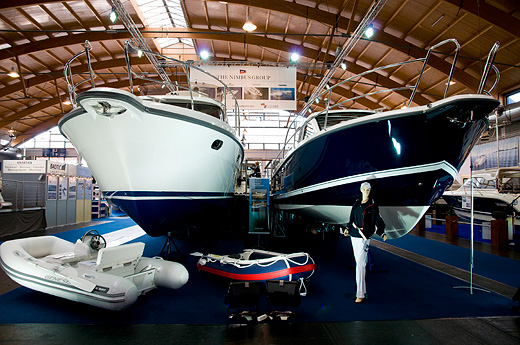
BOAT SHOWS IN GERMANY PICTURES AND MARKET INFORMATION


BOAT SHOWS IN GERMANY


 GERMANY is listed in the NMMA Power Boat International Resource Guide

 
Image result for boot dusseldorf
Image result for smm hamburg
 
Image result for inter boot
 
Image result for hanse boot


Overview

Germany’s coasts on the Baltic Sea and the North Sea around the Frisian Islands and the East German coastline, including the Island of Fehmarn, cover approximately 3,600 kilometers (2,265 miles) and provide excellent opportunities for boating. There are also numerous waterways and inland lakes, most notably in the east of Germany (around Berlin) and especially in the south (Bavaria): Lake Constance (Bodensee), Europe’s largest inland boating location, and Starnberger See near Munich. The waterways of Germany cover around 10,000 kilometers (6,250 miles).


Market

Germany’s water sports market was worth €1.77 billion in 2011 and €1.75 in 2012, and is slowly recovering from the slump to €1.649 billion in 2009. Compared to the same period last year, exports of power boats in the first half of 2013 decreased by 13.6 percent. At the same time, turnover of sailing yachts increased by 5 percent. A total of 644 sail boats with a total value of €68.6 million were exported in the first half of 2012. For the same period, exports of motor boats hit 631 units with a total value of €59.1 million. Imports of motor boats declined by 12.8 percent in 2012, totaling 1,966 boats valued at €119.7 million. However, 377 sail boats were imported in 2012, making up a total value of €29.94 million. Sales of marine equipment for the pleasure boat industry decreased 1.5 percent in 2012 (to €199.5 million), according to the German Marine Federation.


Copyright 2015 © Boat Nut Media, Toronto, Ontario. All rights reserved. No part of this information/publications may be stored in a retrieval system, transmitted, or reproduced in any way, including but not limited to photocopy, magnetic, or other record, without prior agreement and written permission of the publisher, Boat Nuts Media ©™ No liability is assumed with respect to the information provided