Showing posts with label Marine Industry. Show all posts

Wednesday, 2 December 2015

THE ART OF FIBERGLASS REPAIR PART 3 / HOLES


http://boatnutmagazine.com/


HOLES IN MY BOAT /  Fiberglass Part 3 How to fix holes in the fiberglass

This happens on every boat over time we either install new canvas, electronics or snaps pull out of the deck, and there you have it a hole. I will be it a small hole but these are the most common holes in a boat. There are a few steps that need to be taken in the case of any small holes in the fiberglass of your boat.

Do not leave these holes unattended as this is a place were moisture will enter and start to break down the lamination, and worse yet if core is exposed create a place for wrote to set in!
  • The first question you need to ask is are you going to drill a new hole in the same place.
  • Are there stress cracks around the hole.
  • What color are you going to have to match. (If you don't know contact the manufacturer with Hull ID Number)
  • How large is this hole.
  • How many holes are there and are they all in one area
  • Can you get to the back of the hole(s)
  • Is the hole into some type of structure ( is there wood core at the bottom of the hole)

Each one of these answers places a role in the repair you will have to complete,  For small holes the procedure is straight forward. You will need a few tools and supplies:

  • Drill with a large rasp bit with a rounded end
  • 120 sand paper,  400, 600, 1200 wet and dry sand paper
  • A small trowel ( I like an oil paint trowel the long one with a rounded tip)
  • Acetone
  • Clean rags
  • Pencil
  • 3/4 inch masking tape (blue)
  • Polyester resin c/w catalyst
  • 2 Small mix cup
  • Clean mix board (a clip board works good)
  • Pre Val Sprayer
  • Masking paper
  • Buffer and compound ( I make my own compound) a supplier will advise what they have
  • Color Match gel coat
  • Cabosil
  • Small sanding block
  • Patch Aid (speed will be fast)
  • Milled fiber or Chop Strand fiberglass
  • Water spray bottle
  • If you choose you can purchase a premix color match gel coat patch kit ( your local fiberglass supply company can advise you if this is available)
Some advice from over 39 years and being a top rated fiberglass tech, forget all the BS about needing to use any  thing other than Polyester resin. If the area were the hole is requires more than what this repair procedure out lines such as water or dry wrote you will need to consult a pro or get further information on procedure to repair. You need to know that epoxy and vynlester resin do not bond to polyester resin unless you provide a mechanical bond. You will pay more for fancy resins and they are NOT, I repeat NOT healthy for you to use! Do not let anyone bull shit you.


Procedure to Repair:

  1. With your drill and the rasp tip, put the drill in reverse. The reason for this is that in forward with a sharp rasp you can simply bore a bigger hole in the area you are trying to fix. On slow speed you will place the rasp dead center of you hole and remove some of the gel coat and some of the pink fiberglass behind it. You are looking to create a clean dimple were the gel coat has a nice tapper all the way around. It should look like an over size golf ball dimple with the pink fiberglass and drilled hole in the center, at the bottom of this dimple.
  2. Around the hole with 120 sandpaper on a sanding block remove the shine for 2 inches all around the dimple. Do not make a hollow around the dimple simply remove all shiny gel coat surface.
  3. Clean the area with acetone and rag, remove all dust and be sure to let some down the hole. Acetone not only cleans the surface but it drives moisture out.
  4. If you are certain that you have removed any chipped or cracked gel coat than you can now get your masking tape. Mask around the hole half way onto your sanded area. You should have 1 inch of sanded area showing around the dimple and 1 inch under the tape. Make the tape line two layers thick. this will allow for the fill gel coat to shrink during curing.
  5.  If you can get to the back of the holes mask over the area so resin doesn't drip out onto what ever is below the area. Mix up some milled fiber with resin following the manufacturers instructions, add you catalyst and mix again. Take this mixture and stuff the actual drilled hole only, do not fill the entire dimple. Allow to cure completely and again with the drill running backwards clean up the dimple and wipe with acetone. You should now have a dimple without a drilled hole at the bottom.
  6. Mix up your gel coat and cabosil combination until you have the consistency of peanut butter, add your speed patch and if the fill gets to runny add more cabosil until you have a peanut butter consistency again. This fill must be just like smooth peanut butter, take a large enough amount of fill, (to over fill the dimple) place it on the mix board and add catalyst, you must be sure the catalyst is mixed all the way thru the fill. Take your trowel and fill the dimple to the height of the masking tape , create a nice even top to the fill area and immediately remove the tape. clean your trowel with acetone and a rag.
  7. Allow to fill cure completely. If you have added patch aid, the fill will be dull and not sticky to the touch when cured. Run a dry buffer over the fill before you sand this will pre shrink the fill. take your pencil and write all over the repair area, you will use this as a guide to see when your flat and fair. With your block sand down the repair area with 120 sand paper until surface is even or very close to it.
  8. You now have two chooses you can spray the repair area or sand it out and polish, if you choose to sand it out grab a pencil and write all over the area that you have sanded with 120 and now sand with 400 wet and dry with water ( use your spray bottle and add a few drops of dish soap), use a sanding block and sand until the pencil marks are gone repeat with 600 and 1200. When you are done simply buff the area up and check the results.
  9. If you do not like what you see sand the area down with 120 and follow the next procedures. In some cases just the fill and finish works great, this is usually based on the gel match quality.
  10. If you intend to spray you will leave the area at the end of the 120 sanding, clean with acetone and mask an area of at least 6 inches by 6 inches, this area must be sanded slightly larger with 120 sand paper. Mask the area spray off allowing the masking line to be just inside the sanded area place masking paper around the spray area use the masking line as your guide.
  11. Grab your Pre Val sprayer read the instructions and take the glass jar and lid out. you will mix the color match gel coat and patch aid per mixing instructions this will seem like a thin mixture do not compare to paint. You can add a small amount of acetone but only if necessary to thin down not to much it can yellow the color. Place the lid on and shake the mixture now you can add your catalyst. You will have about 5 min max to spray and clean the Preval Sprayer. Grab a clean rag with acetone and wipe the spray area again just before you spray ( to get ride of dust). Hold the Preval back about 8 inches and start in the middle and spray your way out tapering the spray towards the tape line this is important. Usually three or four passes will work. Remove the tape and masking paper right away. Allow to cure completely. To clean the Preval simply dump out the gel coat in a jar and fill and spray acetone through the Preval
  12. Once the spray area has cured. You will use the same pencil trick write all over the repair area only this time you will only sand with the 400, 600 and 1200 wet sand papers with the water bottle. Once you are completely sanded buff and clean up. This method not only fills the hole but will last as along as the boat and you can re drill this very spot again in the future.
Any of these steps can be repeated if necessary to create a good fill or good spray, Step by step video will be available in our spring Magazine. Look for it and buy it on line!!!!!
 If you have several holes together simply treat each hole individually and make your spray area over the entire area as one. The truth is 90% of a great repair is in the color match, if you are not that fussy about the match the repair will last and the fade from the sun will eventually make the area harder to see over time. Just buy quality materials!


If you read our blog on colored hulls it goes into more detail on how to buff to a factory finish...

                                                                                                                    Author BW

To guarantee access to all of  Boat Nut Magazine articles, pictures and featured services visit the official Boat Nut Magazine ©™ website. Be sure to reply to the Boat Nut Association registration on our site for the latest Boat Nut weekly and monthly news letters and opportunities.


Copyright 2015 © Boat Nut Media, Toronto, Ontario. All rights reserved. No part of this information/publications may be stored in a retrieval system, transmitted, or reproduced in any way, including but not limited to photocopy, magnetic, or other record, without prior agreement and written permission of the publisher, Boat Nuts Media ©™ No liability is assumed with respect to the information provided.  

Wednesday, 1 April 2015

Knowing PWC's


http://boatnutmagazine.com/

PWC  do you know the rules, regulations and safety requirements?


What is a PWC? Surprisingly enough we hear this question asked ALL the time. A PWC is a personal watercraft, also known as a jet ski, or in some parts of the world a water scooter. Do not get confused Sea doo's, Waver runners, and Jet Ski's are all personal watercraft the only difference is who the brand name is trade marked too. With Sea doo a lot of people get confused as Sea Doo also builds and markets jet boats. Sea doo PWC's are not a 'BOAT per say they are very similar to every other brand on the market. All PWC's are stand or sit 13 foot or less vessels, running on an inboard engine which propels a jet pump. Do not let yourself be confused or swayed into believing a boat and a PWC are one in the same and if one can drive a boat one can properly run a PWC or vice versa.

Different Brands of PWC:

↪Jet Skis trademarked by Kawasaki
↪Sea Doo trademarked by Sea Doo
↪WaveRunner trademarked by Yamaha


PWC's do have a lot of benefits for new or experienced boaters. They are affordable, easy to transport, fairly easy to maintain (if you know how to do this properly), they are great for water sport, socializing, and cruising the waterways. Although despite how popular and fun these vessels can be the lack of safety preparation and knowledge of laws and regulations to operate one are still highly ignored or unknown. Of course in a lot of cases the legal guidelines vary from state to state or country to country, however safety equipment requirements remain the same. So we recommend if you have or are looking into buying a PWC you take the time and look up your areas requirements for operation. The guidelines set forth by your government or Coast Guard NEED to be legally and respectfully followed.


Canadian requirements for PWC operators
• Must be over 16 years of age to operate PWC, no exceptions.
• Hold a valid approved PCOC, and have on your persons when operating vessel.
• Have at least the Minimum CCG approved safety equipment on board.
• Have valid registration/insurance.

However these regulations and age requirements do not apply in the Northwest Territories or Nunavut. Which personally I think is absurd.

CCG minimum required safety equipment
• CG approved PFD for all persons operating or on board. Fit to size and weight.
• 1 buoyant heaving line NO less then 15m.
• CG approved flares or waterproof flashlight.
• A proper, approved and functioning sound signaling device.

Boat Nut Media would advise for all boaters and PWC operators, especially when going out alone, inexperienced, or on unfamiliar waterways to always invest and keep an AIS device with you. Most AIS devices (Automatic Identification System) are equipped with both flashing strobe lights for higher visibility, and GPS for a more accurate location. When activated your AIS will transmit to all AIS equipped vessels in the area, this can certainly increase your chances of receiving quick accurate assistance.


With over a million PWC's registered in both Canada, and the United states its safe to say there is a strong market for these vessels, but as with any popular market comes many risks. The statistic's of marine related accident's as whole is quite disturbing, but when you think about half of marine related incidents happen on PWC's and there are triple the amount of registered Boats on the water, this should be a clear sign safety is not taken as seriously as it should be. Just taking a look at the USDOT statistics shows us that over 3,200 PWC accidents a year are reported, with over 1,500 of those accidents resulting in injured persons, and almost 70 of those ending in fatalities. The USCG also reports that per 4,000 accidents close to 2,500 of these are due to collisions with other vessels. The sad part is with more boaters and PWC operators being more observant and taking less risk's this number could drastically come down instead of increasing. So why do so many PWC accidents occur? How can these accident's be avoided? Well first obviously like every other motorized piece of equipment, accident's happen, things fail, things can be hit, on a jet engine sucked up, and people will still always take risks no matter how illegal or insane it may be.


Common reason's why accident's occur on PWC's and ways to help prevent them:
↪Low visibility and high speeds. PWC are much smaller then a lot vessels on the water which makes them hard to be seen by other boaters. When you combine this with no direct routes, and high speeds both with boats and PWC's accidents happen quite often. Being aware that PWC's and other boats on the water can change direction at any moment and it is extremely hard to judge where and how fast the boats around you are going paying close attention to marine traffic on the water is highly, highly advised. It is important to remember your PWC does not have navigation lights or an anchor light so in low light or bed weather you will be the last vessel to be seen on the water. If the lake has the right conditions and you are riding a white PWC you can blend in with the white caps, and at higher speeds this is a serious issue!
Be observant! Especially on PWC, operators are usually out for the thrill and the fun of it. Somewhere in between keeping up with your buddies, or looking for the next good wake a lot of times you fail to keep your surroundings in mind. Always be aware of your environment, what's around and below you,  what area are you in, is there a lot of traffic, how close to shore are you, all of these are important to know at any given time.
Dangerous maneuvering is never advised and should always be avoided. What would be considered dangerous maneuvering? Sharp, or high speed turns, taking unnecessary risks, or weaving in between marine traffic. Speeding through no wake zones, by moored or anchored vessels, buoys, during dangerous sea conditions, or around high risk environments (i.e. low depths, rocks, lines in water, ext.). Jumping or following a boaters wake, this always seems like a fun idea at the time! It is never advised to follow in the path of a boater, jump, steer, or run up on a boaters wake. There are multiple reason's for this you can hit the wake to hard or at the wrong angle which can end in sever injuries, or accidents. Also the boater may not be paying attention and see you following them and if the make a sharp turn, or slow down and your not paying attention or are to close you can literally run your PWC right into the back or side of the boat. PWC's are agile, maneuverable, and quick, doing twists and turns, pulling 180-degree turns, and jumping large wakes can be a lot of fun! However also makes it impossible for another boater to judge what the jet skier will do next. All boaters should also keep in mind, knowing how to swim and having a PFD on does not mean hitting the water will be safe. At high speeds or wrong angels, hitting the water can feel and be very much like hitting concrete.
Allowing inexperienced boaters or children to go out by themselves on PWC's. If you are going to allow inexperienced boaters, or younger individual(s) to take out your PWC remember your vessel should have come with two keys, one for full horsepower, and another for learning and lower horsepower. Never give the full key to a child or someone inexperienced. PWC can not be steered with out throttle which causes a lot of people to quickly increase speed especially at start shot and this can be very dangerous. Also always go over safety procedures, equipment, and how the vessel will respond and preform. It is always a risk to let people use your PWC but by informing them a much as possible is always best. NEVER let someone take out a PWC under the age of 16 or legal requirements, who can't swim, or who does not have a proper fitting PFD!

Boat Nut Media will be launching an 'Introduction to boating, PWC operating and safety course'. Our course will be covering everything from laws and regulations, safety requirements and equipment. We will also be to teach you basic maintenance, the pro's and con's to mooring or docking your vessel overnight, and the differences and benefits to the different keys you will receive with your PWC.

Introduction to Personal Water Craft/ PWC Program 2015:

Personal Water craft are versatile, fun and exhilarating craft, Boat Nut proficiency course prepares you for riding safely and responsibly and is designed for first time and experienced riders alike.

Objective: To be self sufficient in good conditions and aware of the limitations of yourself and PWC.

Ashore Knowledge: Safety, Seaman Ship, Weather, Navigation, Complementary Water Sports Guidelines. This part of the program contains 44 separate topics that are related to the above list.

Afloat Skills: Preliminaries, Maneuvering, Under Power, Making Fast and Snugging Down. This part of the program contains 16 separate topics related to the above list.


This program when completed can be used as a prerequisite for the International Certificate of Competency which is commonly required when operating your own or renting a personal water craft abroad. Boat Nut considers this program the most comprehensive in Canada.


To guarantee access to all of  Boat Nut Magazine articles, pictures and featured services visit the official Boat Nut Magazine ©™ website. Be sure to reply to the Boat Nut Association registration on our site for the latest Boat Nut weekly and monthly news letters and opportunities.


Copyright 2015 © Boat Nut Media, Toronto, Ontario. All rights reserved. No part of this information/publications may be stored in a retrieval system, transmitted, or reproduced in any way, including but not limited to photocopy, magnetic, or other record, without prior agreement and written permission of the publisher, Boat Nuts Media ©™ No liability is assumed with respect to the information provided.




Wednesday, 25 March 2015

History Of Power Boats


http://boatnutmagazine.com/

 Power Boats 1955 Thru 2015 how things have changed


1955 through 1965. This period of time was the final age of the classic woody, which brought us some beautiful classics. Simple and elegant boats, at this time in our boating history a 30 foot cruiser was a big boat. Helms were simple, basic gauges, a captains wheel, only a few switches and controls as electronics were in their infancy. The ride of a wood boat is totally different than a fiberglass boat, the wood boat ran more flat in the water as you go faster the water just seems to rise up the bow. Wood boats did not really climb up on top like today's boats do. No lifting strake. They have unique design features, and you can easily pick out a Trojan, Chris Craft or an Owens. This is where I started boating. Our boat was at BBYC and we moved to Albert's Marina were my father had a ships store, these marinas seemed large but compared to today they were not. Spring was a month of preparation, loads of work and there were launch "DAYS", the boats would take on water until the wood swelled.
1955 Cruiser
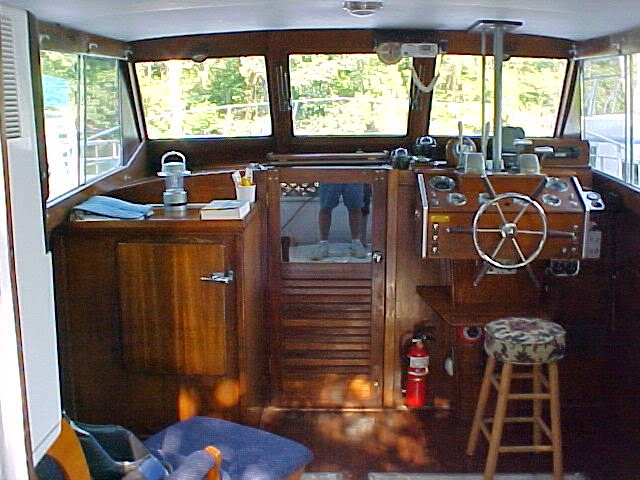
1965 Example of helm station
1955 Chris Craft Runabout


1975 Enter fiber glass in mass, glass boats that would last forever, boy that was wrong. I guess they did not know that fiberglass will rot away. Boats are now getting faster 25 to 30 MPH, this was really fast. I remember seeing the first two Fiber Form's they were different in design than anything that came before them, now you could cross the lake in minutes rather than hours. Inboard Outboard technology was advancing you could actually trim the drive even if that meant you trimmed the whole motor up and down and you had a 2 foot square hole in the transom with a huge rubber boot to keep out the water. The Trojan Tri Cabin was so futuristic and so fast, the designs started moving forward and ergonomics now coming into play. The dash was finally starting to morph toward where we are today. Boating was heading for the masses!


1975 Trojan Tri Cabin
1975 Sea Ray Runabout
1975 Larson Runabout
1975 Example of helm station


1985  Boats we see all over still today! The tanks and the fatties, seriously built to last. Sea Ray hits it's stride and boats started growing in size. Now the 30 foot boat is mid range, there is more and more disposable income and it's showing in the marinas every where. Advancements in electronics were starting to move forward and boats now have all the comforts of home. Boat builders are starting to build boats in large volumes and design is starting to move quickly as the builders could change model design almost every year. Boating was now here for the masses. Boats are wide beam and have a presence, the dashes can be four foot wide and packed full of gauges and switches, and the captains wheel is gone now we are headed for an automotive style helm.

1985 Bayliner Runabout

                                       
1985 Sea Ray Sundancer
1985 Example of helm station


1995 The power boating industry is in full swing! Boats are quickly changing and really becoming modern in design. You can now buy any size and any design, options are everywhere. Brought to you by more large boat builders in North America than at any other time before or after. You now see new model designs every single year. European style has crept in and traditional design is on its way out, ergonomics are playing a bigger and bigger role. The marketing is the inside for her and the outside for him. However these boats still require a lot of after purchase additions to be fully loaded. There is lots of plastics, vinyl and creative fake wood. Still 90's boats really were basic compared to today's boats. Your investment did not end at the sale, you would have to install your electronics but not for long.


1995 Bayliner Motor Yacht


1995 Bayliner Runabout
1995 Example of helm station


2005 We are starting to arrive! The boats are radically changing but if you look at the dash the controls are traditional, however you may have a bow thruster from the factory now. Boats are sleeker, full of dock jewellery and the hull sizes are marked out on the side like a bill board. It's become all about how many feet you own. These boats are just starting to see new technology, and are packed full of fake wood and vinyl. There are a few die hard boat builders who install real wood but it's starting to get really expensive to build. I was never sure if I liked the new materials that the boats were boasting. If you have one of these boats you know why new technology like joy stick control came fast. A lot of these designs are not the best for seeing were the dock is, and the horsepower is on its way up, making for fast movements and high speed. It no longer matters the size you can really move on the water.


2005 Sea Ray Sundancer
2005 Campion Runabout
2005 Example of helm station


2015 We have arrived new technology is here to stay and changes are going to happen quickly! Electronic steering, new designs of drives and joy stick piloting are all now standard options. Being a captain has for ever changed, out with the old in with the new. Design of boats is following suite they have shaved down the decks and cabin tops and added a pile of windows in the hull. These new features and designs do not come cheap I noticed that an MSRP on a new 22 foot boat was $88,000.00 at this years boat show. Every nook and cranny of the new boat design seems to have a function and those builders who survived the resent economic crash are on their way back. The draw back to this recent design craze is that it is hard to tell one make and model from another. This new integration of technology is the death of the DIY repair owner, you require special software and tools to service these boats, the basics are still there but beyond a socket set. The repair bills for these boats will be equivalent to a new BMW. This will change the used boat market you will not be able to buy one of these boats cheap later and expect to be able to keep it running and reliable. The boats that fall into disrepair will probably plummet in value and the really good ones will remain high in value.

2015 Sea Ray Sundancer
2015 Sea Ray Runabout
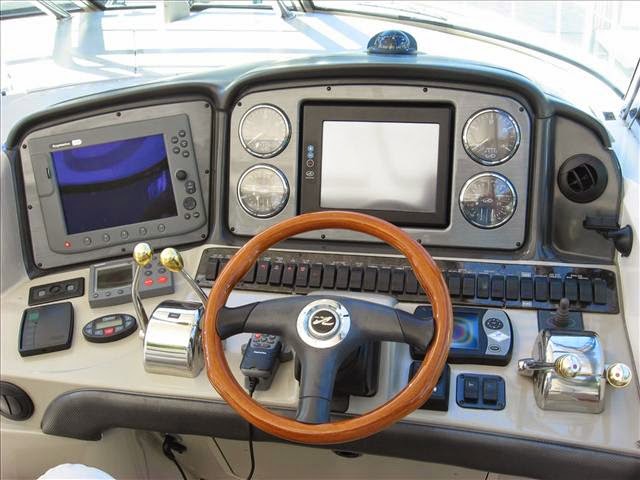
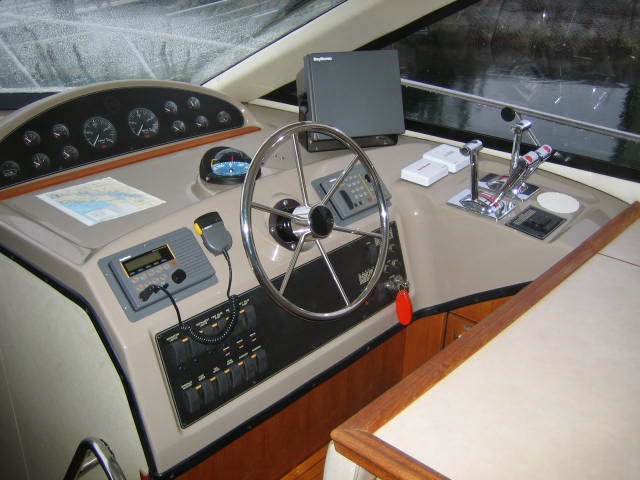
2015 Helm station example


Is 2015 the death of the boat which can be purchased used in 10 years and be maintained by an average income earner? Absolutely it is! These boats will be very very expensive to own, so if your going to buy a used boat that is not going to be very expensive to own better buy one previous to 2015 with no new technology in the controls. A good example of this is a Four Winns I know of, with IPS the boat is at least 10 years old last year it had a failure in the electronic steering, the last time I had checked the repair bill was $25,000 and was still not finished. This boat was down for several months last year and this year. So this idea of the last affordable boat is no joke! So keep in mind when buying one, MONEY WILL BE AN OBJECT.

To guarantee access to all of  Boat Nut Magazine articles, pictures and featured services visit the official Boat Nut Magazine ©™ website. Be sure to reply to the Boat Nut Association registration on our site for the latest Boat Nut weekly and monthly news letters and opportunities.


Copyright 2015 © Boat Nut Media, Toronto, Ontario. All rights reserved. No part of this information/publications may be stored in a retrieval system, transmitted, or reproduced in any way, including but not limited to photocopy, magnetic, or other record, without prior agreement and written permission of the publisher, Boat Nuts Media ©™ No liability is assumed with respect to the information provided.

Sunday, 15 March 2015

Bayliner Boat whats in a name?


BAYLINER  whats in the name? A key player in bringing boating to the masses!


Bayliner a boat manufacturer name who has taken a beating with boaters, these boaters who attack the Bayliner brand obviously have no idea of the history and relationship that this brand has played in the power boat industry since the late 1980's. Bayliner Boats of Arlington Washington was in the late eighties the cornerstone of the pleasure boat industry in North America and around the world. Bayliner had factories in Washington state, Minnesota, Georgia, and Florida. They developed the brands we know such as Bayliner, Maxum, Trophy, Robalo, and Meridian. They were behind advancements such as the Jazz and Reflex (jet boats), the first all curved deck small cruiser the 27 Cierra, and some classic yachts like the 3288, 3888, and 4288 these yachts were great designs and would take unbelievable punishment. Since all these yachts where developed and tested in the Pacific North West, and I do not mean just on the nice days.

They have been copied by companies like Campion Marine, Mainship Yachts, Sea ray and a whole host of smaller boat builders around the world. Bayliner had test areas in the Nevada Desert for upholstery deterioration and in the San Jaun Islands for hull design testing. They were responsible for technology that trickled over to Baja, Sea Ray Wahoo and many other boat builders who were under the Brunswick umbrella. The main office for what is now the Brunswick Boat Group, formerly US Marine was located at a Bayliner factory. Bayliner was the first boat builder to be purchased by Brunswick this lit a race between OMC and Brunswick to buy up boat manufacturers. This is because they were the largest pleasure boat builder in the world at the time and were close to a deal with OMC. Buying Bayliner would mean control over who provided the engine packages, which meant that lots of Mercury product would be placed in the market. Bayliner even built the Buccaneer sail boat, they made it all over their prime years of production. The Arlington factory had one of the first 3D milling machines to create molds, and they did, even for Sea Ray. The Arlington Bayliner factory also had full size test tanks (swimming pools) where they did sink tests for several Brunswick Companies. Bayliner could easily have been the Sea Ray we know today, so what happened to the one time largest builder with the one time largest dealers in the world.

Well first off in the late eighties they built so many boats that the completed inventory ended up stored with covered in shrink wrap, for those who use shrink wrap this will be a valuable lesson for you, under the plastic the wood structure began to rot, which is exactly what all boats do if you leave the plastic cover on for more time than absolutely necessary. When these boats made it to market they had a lot of issues,  these were generally the small runabouts, and this was before inner liner boats. The floors were going bad almost immediately and this was the first bad reputation that Bayliner suffered.

Bayliner became the test company for Brunswick and because of this many models came and went, The problem with being the test ground is that the bugs are ironed out with Bayliner brand name. However their core models were great the Yachts, Cruisers and Runabouts. Even with the core group of boats Brunswick still managed to muck about and Bayliner's ended up with the Force Outboard Motors. This was when Brunswick bought the Chrysler Outboard motor company. these motors were junk and every one knew it but they took these out of date motors and stuck them on Bayliners, another hit to the reputation.

Bayliner Yachts had to experiment with different motor combinations like Hino Desiels, not good they were smokers and the non turbo engines were gutless. After these flubs Brunswick went on to use Bayliner as the main test ground for engine package combinations to improve fuel burn and costs, and guess what? Bayliner then got the wrap for horribly under powered boats, the next nail.

Bayliner started to get a reputation as a low entry level boat brand, and boaters started to pick on the brand. At this time Brunswick started to splinter the line and broke off  Robalo and Trophy. Wound down the Maxum brand, Brunswick did not need to have a competing brand to Sea Ray. In the end Bayliner became a dumping ground for yesterdays technology motors from Mercury Marine. Bayliner started to slip even more. Now Brunswick after messing around with the brand decided to rename Bayliner Yachts as Meridians. Then Bayliner started to die. A Sad Day in the Marine Industry!

I get a charge out of the boaters who own a Maxum, and beat up Bayliner! They are the same boats built in the same factories using the same materials, Bayliner and Sea Ray also share the same DNA, Bayliner's are not bad boats at all, believe me there are really crappy boats out there, much worse by far. The difference between a Sea Ray and a Bayliner in some model years are the finishes and the hardware, If you look at a Baliner and Sea Ray side by side you will notice this immediately. So Bayliner owners stand up for your brand, every other boat in the market owes something to Bayliner. If your on the west coast you will not hear the kind of mudslinging we hear in Ontario, If the brand was so bad how come there are so many around? In a lot of ways they were the every mans boat and that is ok with me. I was excited to see a resurgence in the brand at this years Toronto Boat Show. I would love to see another new Bayliner Motor Yacht, but that may never happen Brunswick today builds to many models and now that they have converted the Hatteras brand into big Sea Rays, I do not think there will ever be a Bayliner Yacht Market again.

Bayliner built some great boats and still do, Please do not listen to the haters. I sure hope they find their way back to larger boats. Bayliner owners were the original BOAT NUTS!!!!!!!


Pictures from Bayliner

To guarantee access to all of  Boat Nut Magazine articles, pictures and featured services visit the official Boat Nut Magazine ©™ website. Be sure to reply to the Boat Nut Association registration on our site for the latest Boat Nut weekly and monthly news letters and opportunities.


Copyright 2015 © Boat Nut Media, Toronto, Ontario. All rights reserved. No part of this information/publications may be stored in a retrieval system, transmitted, or reproduced in any way, including but not limited to photocopy, magnetic, or other record, without prior agreement and written permission of the publisher, Boat Nuts Media ©™ No liability is assumed with respect to the information provided.

Saturday, 14 March 2015

ALPHA DRIVE BASIC SERVICE


http://boatnutmagazine.com/

ALPHA DRIVE

Detailed  Basic Spring Alpha Drive service list


This basic service list will apply to Mercury Alpha Drive Generation 1 or Generation 2 .This is a basic list that the boat owner should be able to complete in the spring before launch. First you must be able to identify your drive type. First of all Alpha drives are single prop only, there is no alpha duo prop. Alpha drives are a smaller in size and weight. You can not identify your drive by the engine alone, Alpha drives came in combinations covering combinations from 4 cylinder (3 litre) to big block V8 motor (454 cyld).

The alpha drive is the easiest to manage they are the lightest drive, in weight, one person can lift it and move it around with out help. The spring service list for the Alpha drive is as follows:
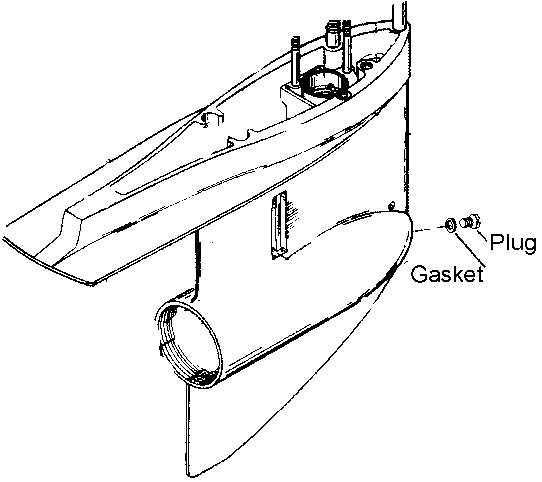
1- On the sides of the bullet directly behind the prop near the front of the case you will locate a large drain screw (photo below c/w gasket) it can be removed with a large flat screw driver, Directly above this drain screw above all of the anti cavitation plates you will locate another identical screw this is the vent screw.

 First step after you locate the vent and drain screws is to remove the prop. when you remove the prop you should have  the prop nut, stainless steel nut lock which has small flanges that are bent back over the brass spacer(these small tabs will have to be bent away from the spacer), the brass spacer, the prop ,and behind the prop the thrust washer a large brass tapered washer. Inside the prop you may find a hub will slid out, Note: that the hub will only fit back in one way. (Photo of prop and hardware above). Get a large container (an oil change pan will work the best), be sure to trim your drive all the way down, this will orientate the drive skeg in the oil catch pan.With collection pan under the drive remove the drain screw and the vent screw. (Pictured in the diagrams below)

2- Allow the gear oil to drain from the drive this will take at least an hour to complete. The longer you give the drive to drain the better the service will be, do not rush.
3- While the gear oil is draining, it is time to take a look at the anodes these are clearly marked in the drive picture at the top of this post. If they are gone or are badly corrode you will need to change them. Anodes are your front line protection against corrosion.
4-  If the drive has some area were the paint is damaged you can prime and paint just these areas, DO NOT unless it is really really necessary sand down the drive and respray  the whole thing. Once you do this you will be doing this every year! The products that the drive comes from the factory coated with are the very best and cannot be reproduced. Once these factory coatings are sanded the drive  does not have the same corrosion resistance any more. Just touch the drives up even this will start to become an annual thing to do.
5-  Now  you can prepare to refill the drive with gear oil you will need to pick up a gear oil pump kit that attaches to the gear oil bottles these parts are available from your local mercury parts dealer (photo of pump and gear oil below)

You will need 4 or 5 one litre containers of gear oil for the job. You will attach the pump to the filler screw hole at the bottom or on the bullet of the drive. Very slowly pump your gear oil back in the drive please go slow, the reason for this is, the gear oil must push the air out of all the passages on its way up to the vent screw hole. When you see new gear oil at the vent screw hole coming out stop. Waite five minutes and try to pump a little more you may get spits of oil and air at this time, if you do stop and try again after a couple of minutes. The gear oil at the vent should flow out evenly. Once you have determined that the drive is full you will re install the vent screw with a new ring gasket and then the drain screw with a new ring gasket (seal). Photo of vent screw and gasket above.
The reason for new seals at the drain screw and vent screw  every time you service them is simple these are points were water can access the gear oil. After all the drain screw and vent screws are under  the water level.
6- Clean the prop shaft and all of the prop parts with a clean dry rag. Place a thin layer of 2-4-C grease on the prop shaft and re install the prop. Be sure not to over tighten the prop nut. tighten until snug and then grab the prop and try to move back and forth on the shaft you will feel a slight bit of movement from the shaft a couple of millimeters, and then bend back the nut locks, you should only be bending the tabs that line up with the slots in the spacer.
7-  On newer boats there is a gear oil reservoir on the top of the motor, you will now need to go in the boat and top this bottle to the operating rang mark.It drains down when the drive is draining.


 On your first run of the year check the gear oil level in the reservoir on the engine if the drive was filled to fast the drive will consume some of this gear oil and you will need to top the reservoir up again. A note about the gear oil reservoir, There is a sensor in this bottle and when the gear oil is low it will send a signal and you will receive a beeping alarm at the helm. Never ignore these alarms they are critical! I have seen many boats were the wires to the reservoir have been cut if this is the case fix the problem do not leave the drive reservoir unhooked or modified in any way, this is how a drive manages to blow up with out any notice. If you do not have a reservoir and alarm system than this service is even more critical, as it is the only way of verifying you have full, good clean gear oil in the drive.

List of tools for this service:
1-Mercury floating prop wrench, which every Alpha owner should have on the boat
2-Pair of needle nose pliers
3- Small mallet
4- Set off screw drivers
5- Extra large straight blade screw driver
6- Metric socket set

Parts required:
1- 4 to 5 one litre mercury high performance gear oil
2-Two replacement drain screw seals
3- Anode kit if required fro Mercury Marine
4- Mercury phantom black spray paint
5- Mercury zinc chromate primer
6- 2/4/C Mercury Grease

Problems that you may have:
A- Contaminated gear oil, this is gear oil that has been mixed with water. If when you drain the gear oil you have fluid that comes out looking like a green milk shake or if when you drain the gear oil there is water which has separated and poured out separately. If this is the case you will need to contact your Mercury Authorized service provider for repair. Quite often the problem is fishing line around the prop shaft behind the prop and against the prop shaft seal.
B- Over heat problems or poor water flow to the engine, this is probably a water pump kit it is located inside the drive between the upper and lower gear case . The water pump should be serviced at least every two years.
C- A clunking sound when you put the boat in gear Call your Mercury Service provider and get this checked there is a universal joint on the drive shaft between the motor and the drive.
D- A vibration or constant odd sound from the back of the boat, there is a bearing in the transom housing that is held in a large rubber mounting this bearing is designed to carry the drive shaft through it and it can seize or start to fail
E- Trim and Tilt wont work this is not an exterior problem, it is a trim pump issue
F- The drive trim limit does not work, this is probably a trim limit sender issue you will need to call a Mercury Service technician to verify
                                         

If you complete this basic service every year you will extend the life of your drive.


To guarantee access to all of  Boat Nut Magazine articles, pictures and featured services visit the official Boat Nut Magazine ©™ website. Be sure to reply to the Boat Nut Association registration on our site for the latest Boat Nut weekly and monthly news letters and opportunities.


Copyright 2015 © Boat Nut Media, Toronto, Ontario. All rights reserved. No part of this information/publications may be stored in a retrieval system, transmitted, or reproduced in any way, including but not limited to photocopy, magnetic, or other record, without prior agreement and written permission of the publisher, Boat Nuts Media ©™ No liability is assumed with respect to the information provided.

Friday, 13 March 2015

Boats and Boaters representatives in Canada


http://boatnutmagazine.com/


Open letter to all the acronym boat representatives out there..........


Where does all the money go and what do you do for Ontario or for that matter any boaters? NMMA, OMOA, and a host of other letters. I am very curious, these groups represent themselves as the voice of Canadian Pleasure Boaters. Over the last 35 years I have been in almost every major marina and yacht clubs in North America and I have yet to meet or been introduced to a single person who identifies them selves as a director or public relations officer. I guess that is my bad luck. I really would like to know what their mandate is and where they use their large budgets and government support, to create a better safer more organized boating experience at the grass roots level in Ontario.I hope they do something other than sell programs to get you a boat operators card. I have tried to reach out to these groups, but they must be very busy listening to boaters needs or creating new boater education and safety programs that are initiated by themselves or one of their board members. Outside ideas must not be serious enough to require their attention.

Boat Nut Medias reach is only 16000 readers globally!

Honestly it is no wonder Power Boaters create their own grass roots groups clubs and organizations to try and better their own boating experiences, and do not trust others. These five lettered groups must be contacting  and networking through the privately funded and quality boaters groups and forums like the CBOC. An organization who is working hard to open a responsible dialog with and between Canadian boaters. No they don't. The largest brick and mortar boating school in Canada has never had any interaction with the NMMA/ Discover Boating Ontario. Ontario Place Boaters created their own group in an attempt to negotiate with the Ontario Government, trying to figure out development plans with the marina and where that may leave them in the near future. There are several hundred boaters who are supposed to be represented at the provincial and federal level by one or all of these groups, so why are they not involved with development plan information so the boaters they represent are not in the woods fighting for information on there own.

Don't get me started when it comes to the Power Squadron the power house that was and still is supported by Transport Canada, they have the ability to do so much more, I think that these  representative groups clubs and associations are stuck in the mud they have fat budgets and apparently all the attention of the government officials, and unless I am wrong, large boat membership and data basis of information. So what do they do for the lowly boater the very reason they exist, not a god damn thing that will make a difference in my summer on the water.

I will go to their boat shows and read the updated literature, watch their ads on the TVs at the Ontario travel centers. However I am certain that unless I show up at their door when they are at their office, I will not likely ever meet one of them and have them ask me how they can make my boating experience a better and safer one this year.

If these groups really want to do something grab a boat get out on the water and take the time to have a one on one conversation with our great Ontario Boating community. Take some of their ideas and complaints back to your office and help them have a less stressful and more full filling boating experience. Worry less about the industry, they have their own boys clubs and side with the boater. What a novel idea. Hope you are reading this!  

             Yours truly, Boat Nut Media

In closing I really would like to know what these groups do, If I knew more about real changes or programs that were beneficial to boaters maybe I would have a different opinion, perhaps there will be a  response to this letter if they do I will post it. Because up until now we have reached out to many of these lobbyist groups and so far we've received a whole lot of nothing! They're apparent lack of interest in the boating community, safety, boating education and events has been astounding to us! After all isn't this exactly what your funding, and taking the boaters hard earned dollars is for?

To guarantee access to all of  Boat Nut Magazine articles, pictures and featured services visit the official Boat Nut Magazine ©™ website. Be sure to reply to the Boat Nut Association registration on our site for the latest Boat Nut weekly and monthly news letters and opportunities.


Copyright 2015 © Boat Nut Media, Toronto, Ontario. All rights reserved. No part of this information/publications may be stored in a retrieval system, transmitted, or reproduced in any way, including but not limited to photocopy, magnetic, or other record, without prior agreement and written permission of the publisher, Boat Nuts Media ©™ No liability is assumed with respect to the information provided.

Proud to now be a CBOC Featured Marine Author


http://boatnutmagazine.com/


CBOC MARINE and BOAT NUT MEDIA HAVE TEAMED UP!

Together we will bring boaters around the world, the best, unbiased and informative information on boating and the marine industry!

We are proud to announce we have partnered up with CBOC Marine to bring our readers, and boaters nationally and internationally the best of the best when it comes to up to date information in the boating community!

You will now have the chance to communicate with us and post questions for us on the CBOC website forum! We highly recommend you join both CBOC and us on the web, Twitter, and Facebook for the most up to date information.
We look forward to this new opportunity and would like to thank David, from CBOC for allowing us to be a new featured author. Keep an eye out for us, we will be changing the boating communities access to information, education, safety, and the ins and outs to the marine industry!!

Please welcome CBOC to our blog, and visit their website
http://www.cdnbaylinerownersclub.com/
You can also find them on Twitter and Facebook!!
@CdnBayliner
https://www.facebook.com/CanadianBoatOwners

And as always you can find us on twitter and Facebook as well!
@BoatNutMedia
https://www.facebook.com/pages/Boat-Nut-Media/441474996009835

"We'll make a Boat Nut out of you"


To guarantee access to all of  Boat Nut Magazine articles, pictures and featured services visit the official Boat Nut Magazine ©™ website. Be sure to reply to the Boat Nut Association registration on our site for the latest Boat Nut weekly and monthly news letters and opportunities.


Copyright 2015 © Boat Nut Media, Toronto, Ontario. All rights reserved. No part of this information/publications may be stored in a retrieval system, transmitted, or reproduced in any way, including but not limited to photocopy, magnetic, or other record, without prior agreement and written permission of the publisher, Boat Nuts Media ©™ No liability is assumed with respect to the information provided.
Saturday, 7 March 2015

Changing the Pleasure Boat Industry

http://boatnutmagazine.com/


Does the pleasure boat industry have it right when it comes to helping boaters with training and education?

Boat Nut Media is in the process of creating new training programs and a web based show by boaters for boaters. Based on the new technology such as fly by wire, joy stick control and much more. The question is do we know were getting it right for the consumer?  The only way to know is to receive boaters valuable input. This will let us know who we need to partner with, how much, what information and hands on training you would like to see. Should we be looking for enough sponsorship to try for a partially funded program, or would you pay for a program designed to give you the best theory and practical information available.

I have other questions about our industries interaction with boaters. I have been apart of the boating industry in a variety of roles and achieving many industry certifications for the last thirty plus years. Here are some of my issues with the information and services provided to boaters today. I'd like to know, what are your thoughts?

Are these boat reviews we see and read really supposed to educate the consumer?

On the weekend I watched an episode of Power Boat TV, where they completed a review on a used  260 Regal. Well if you want to call it a review,  A review of any product must be honest, it doesn't have to be overly harsh unless it is really a failure on all levels ( performance, design, layout etc.). I am fed up with  2 or  3 min commercials telling you to take a look at the product as a real option (what ever that is supposed to mean).I consider myself a gear head, I like anything with a motor if you are the same I am sure you appreciate "Top Gear" one of the worlds most watched programs and they are all around honest. So honest that some manufacturers will no longer give them cars to drive. This is accepted because most of the cars they test are worth over fifty thousand dollars but wait what is your boat worth don't you think you should be able to get the same unbiased information about your next boat purchase, wouldn't that be refreshing?

 Do not just review the boats design and layout, throw in a little "Leno's Garage" drive them all. Give us all the facts price range, how many were manufactured, warranty issues on file, changes that were made in the production run, fuel burn, insurance and LOA so dock fees can be calculated. Drive the boat in multiple sea conditions let us access how the boat handles the water, this is what a boat is made to do is it not? We all don't want dock jewelry. Give the consumer a genuine idea of what the boat being reviewed is really about and what and where the flaws are, let the consumer decide if they want this boat to be an option.
Service, oh that word that strikes anger in many boaters and why not. What a range of prices and where are the guarantees. Lets talk about our own type of "Angie's List" created regionally and based on real experiences. Who's good, on time, fair and backs up the work after. Not just that but where to get custom service requirements if not available in your area. In the case of canvas we never think of tapping the boat builder as an option. Particularly if you are just doing a factory replacement. I wonder why?

Marine Surveys another hot topic, do you know what is required to become a surveyor you maybe surprised to learn. Do they have any real obligation if they are way off. Remember the house inspector nonsense from years gone by (does the surveyor have your interest or the broker or sellers interest). Also insurance adjustors are they trained, do they know what they are looking at. Are you at the mercy of the repair facility. Tell us have you had a bad experience, or perhaps you have a great honest surveyor you use. What makes them so great?  New boaters really need to know and should never buy any boat without having an expert take a look, I have seen some nightmares for people who are really excited with there first boat only to find out it is a money pit.

This list goes on however the above list is a great place to start. Feel free to contact us at boatnutmedia@gmail.com


To guarantee access to all of  Boat Nut Magazine articles, pictures and featured services visit the official Boat Nut Magazine ©™ website. Be sure to reply to the Boat Nut Association registration on our site for the latest Boat Nut weekly and monthly news letters and opportunities.


Copyright 2015 © Boat Nut Media, Toronto, Ontario. All rights reserved. No part of this information/publications may be stored in a retrieval system, transmitted, or reproduced in any way, including but not limited to photocopy, magnetic, or other record, without prior agreement and written permission of the publisher, Boat Nuts Media ©™ No liability is assumed with respect to the information provided.