Showing posts with label green boating. Show all posts

Tuesday, 2 August 2016

Environmental Impacts of Boating Pollutants


Environmental Impacts of Boating Pollutants

  
(Unless otherwise stated, material is from Connell and Miller 1984) Pollutant Sources and Characteristics Environmental Activity Environmental or Human Health Effects
Detergents Most cleaning agents, detergents and soaps
Oil spill dispersants 29
Breaks down oils and greases on boats

 
Accumulates in sediments
Broken down by microorganisms
 
Toxic to marine plants and animals
Impairs breathing in fish 18
Reduces amounts of oxygen in affected waters
Produces unsightly foam on the water surface
Marine debris Commercial and recreational boating 11
Plastics, food wastes, packaging, lines, nets, fish cleaning wastes 3
Plastics degrade very slowly
Some wastes become nutrients (see "Nutrients")


Can choke / strangle sea animals 3, 11
Ghosts nets, and traps endanger divers 3
Can transport harmful non native species 11
Snagged by props and engines 3
Ruins recreational beaches 11
Acidic &
Alkalis Substances
Battery acid, lye and other strong acids or bases in vessel cleaning products 13
Dissolves easily in water
 
Increases natural acidity or alkalinity of water by decreasing or increasing pH respectively
 
Toxic to marine plants and animals
Increases the toxicity of other toxic substances, metals, other pollutants and chemicals
Can irritate or damage skin
Metals Paint particles from hydro washing, metal shavings from engine wear, and consumer products containing metals
Dissolves according to water conditions
 
Accumulates in sediments, marine plants, and animals
Persistent in the environment
Some metals broken down by microorganisms
 
Toxic to marine plants and animals
Changes the food web in the marine environment by eliminating certain species
Copper (Cu) Used as a toxic agent in antifouling paints
Dissolves according to water conditions
 
Accumulates in sediments, marine plants, and animals
Persistent in the environment
 
Very toxic to fish when combined with zinc sulfates 16
Long term toxicity to marine plants and animals
Tributlytin (TBT) Still used as a toxic agent in antifouling paint on aluminum hulls, outboard motors & lower drive units 4, 16
 
Accumulates in sediments, marine plants, and animals 16
Persistent in the environment
 
Toxic even in small amounts to marine plants and animals, especially bottom feeders 16
TBT contaminated shellfish are dangerous to


Zinc (Zn) Anticorrosive zincs and paint pigments
Dissolves according to water conditions, which can make Zn more available to marine organisms 16
 

Persistent in the environment
 
Toxic to marine plants and animals, even small amounts 15
Oil / Fuel Normal boat operation, fueling, engine maintenance, spills, runoff, and bilge discharge
Dissolves slowly in water, clings to particles and sediments in marine environments
 

Broken down by sediment microorganisms22
Accumulates in sediments, marine plants, and animals
High accumulation in estuaries and intertidal areas
 
Some components toxic to marine plants and animals even at low concentrations 24
Some components cause cancer, mutations and / or birth defects
Behavioral changes in shellfish and fish 24
Discoloring and bad taste in flesh of fish 20, 25, 26
Dusts and sediments Vessel scraping and sanding, erosion during construction and urban runoff
Heavy metals, nutrients, hydrocarbons, etc. adhere to dusts and sediments
 

Sediment bound contaminants released to water if disturbed

General lowering of water quality
Burial of habitat, food and / or organisms

Nutrients Runoff, sewage, erosion, garbage & detergents containing (P)hosphorous or (N)itrogen

 
Used by marine plants and organisms for food (P,N)
Accumulates in sediment (P)
 
Increase in algae growth which decreases light and oxygen in the water (eutrophication)
(N) can be toxic in higher concentrations
Solvents Vessel maintenance & repair activities
Paints, varnishes, paint removers and lacquers as well as degreasing agents
Does not dissolve in water 13
 
Sink in water until they reach an impervious surface
Acetone lingers in air and is transported to sediment & water

Large amounts can cause dizziness, disorientation and unconsciousness in the user 2
Anti-freeze Used as engine coolant and freeze prevention during winter storage
Improper use & storage creates leaks or spills 13
 
Fate similar to solvents 13
 
Ethylene glycol is deadly to humans, pets & marine organisms in low doses 2
Propylene glycol (orange/pink color) is less toxic than ethylene glycol (blue/green color) and is preferred for use in boats 7


To guarantee access to all of  Boat Nut Magazine articles, pictures and featured services visit the official Boat Nut Magazine ©™ website. Be sure to reply to the Boat Nut Association registration on our site for the latest Boat Nut weekly and monthly news letters and opportunities.


Copyright 2015 © Boat Nut Media, Toronto, Ontario. All rights reserved. No part of this information/publications may be stored in a retrieval system, transmitted, or reproduced in any way, including but not limited to photocopy, magnetic, or other record, without prior agreement and written permission of the publisher, Boat Nuts Media ©™ No liability is assumed with respect to the information provided
Connect with the Magazine web site 


Sunday, 24 January 2016

MORE SOLID GREEN BOATING INFORMATION FOR YOU


MORE ENVIRONMENTAL FACTS FOR YOU 


A portion of local water pollution comes from acids, oils, antifreeze, gasoline, solvents, and cleaners that boaters use. Many common items used daily by boaters are considered hazardous or toxic. As an environmentally aware boater, please minimize your use of toxic materials while maintaining your boat. Some toxic or hazardous materials are suspected carcinogens and can produce cancer in both humans and wildlife. Proper disposal of hazardous products is especially important in shallow lakes that have a large population of residences and boats. The toxins are in greater concentration and have a greater impact on the environment. If you don't make environmentally conscious decisions when purchasing boating equipment, you could be contributing to pollution.
The use of chlorofluorocarbons (CFC's) has been prevalent in the production of various equipment utilized while boating. Chlorofluorocarbons are gases that are depleting the earth's ozone layer, which is widely believed to contribute to global warming and increased risk of skin cancer. Ask vendors if CFC's are used in the manufacturing of their product, or if CFC's are released when using the product. If they do not know, ask them to find out. Most manufacturers who have switched to CFC alternatives are very vocal about using them. Those who don't utilize CFC alternatives need to know that this is an important issue which concerns environmentally aware consumers.

  FIRE EXTINGUISHERS

When fire extinguishers become exhausted or dated, many fire extinguisher supply companies offer recycling of them. Halon, CO2, wet and dry chemical extinguisher parts can be recycled at no charge. The metal nozzles and other parts are sorted for recycling. The remaining chemical inside the extinguisher is also properly recycled.

BATTERIES

Marine batteries can be harmful to the environment if they are simply thrown away. The internal chemicals can be toxic if released. The energy saved to create a new battery from a recycled one, as opposed to creating one from scratch, is about 95%. Old batteries (in most states and provinces) may be turned in at local recycling centers.

DETERGENTS

Phosphates, chemical compounds containing phosphorus, are found in most detergents. Manufacturers use them because they soften water and prevent dirt particles from being redeposited on whatever you are cleaning. Unfortunately, there are severe ecological side effects. As phosphates empty into streams and lakes, they cause algae bloom, which means that they fertilize algae to the point where it grows out of control. When algae dies (in its natural cycle), the bacteria that causes it to decay (a process requiring large amounts of oxygen) uses up the oxygen needed by other plants and marine life to survive.
This results in the dying of lakes and streams. According to Consumer Reports magazine, some manufacturers recommend more detergent than necessary. Use non-phosphate detergents and a little extra muscle instead of harsh and toxic teak and hull cleaners. Liquid detergents are generally phosphate-free. Use a substitute for detergent. Soap, which is biodegradable, non-polluting, and non-toxic, is an excellent alternative. If your water is soft, soap powder will work as well as a detergent. If your water is hard, you can try a combination of soap and washing soda. Soap also works best in hot water. Use a drop cloth to catch paint scrapings or wipe them up and dispose of them on shore. Be careful if you are working on or near the water. Wipe up any spills from oil changes as soon as they occur. Try to keep the use of engine cleaners to a minimum. Phosphates are not necessary. Powdered detergents are available that are made with different formulas which are less than 0.5% phosphates.

ANTI-FOULING PAINTS

Anti-fouling paint is used to prevent the growth of organisms on boat bottoms. These paints work by releasing toxic chemicals from the hull into the water. Generally, the more effective the paint, the more toxic its ingredients. Copper-based paints usually keep a hull clear for a year or more and contain a less toxic metallic compound which enables them to not cause as much damage to aquatic life. However, copper-based paints corrode aluminum. Avoid the newer tin-based paints such as Tributyltin (TBT). TBT is one of the most toxic chemicals introduced into the environment. It has now been found to cause abnormal development and reduced reproduction in aquatic life, not to mention its relation to many human health problems. It is illegal to use TBT on water craft less than 66 feet in length unless it is being applied to an aluminum boat. Since TBT is under restricted use, it can only be applied by certified applicators. For further information on becoming a certified applicator, contact the Pesticides Regulations Section in your state. Low level TBT paint, sold in a spray can form, may still be used on lower drive units. All paints should be used with extreme caution and according to the manufacturer's directions. 
Be aware when purchasing fire extinguishers containing halon gas. If you purchase a halon extinguisher, you may be contributing to the depletion of the ozone layer. At one time, halons and CFC's were considered harmless, so manufacturers used them in many different products as propellants. Unfortunately, these halons will eventually attack the ozone layer, even if the fire extinguishers are never used since the ozone-depleting gases gradually leak into the atmosphere. CO2-type extinguishers cannot really be reused since the extinguishers are loaded with a CO2 liquid which comes out as a gas when the extinguisher is used. CO2 is not harmful to the environment unless a large amount is released at one time. Recharging of non-halon fire extinguishers can also be performed by fire extinguisher suppliers for a nominal fee.

CLEANING AND REFURBISHING SUPPLIES

Lacquers, wood preservatives, turpentine, thinners, and other cleaners can be toxic unless they are used and disposed of properly. Please read the labels. Many products are available for cleaning decks and topsides. Their toxicities vary widely. Careful use of these cleaners is essential to keep them from washing overboard. It is best to not use these products when the boat is on the water. Many environmentally safe cleaning products are now available at local marine supply stores. A teak cleaner that is non-acidic, caustic free, chlorine-free, biodegradable, and safe if washed into the water. A bilge cleaner that is caustic-free, phosphate-free, non-flammable, non-combustible, and biodegradable has also been developed. A biodegradable, non-flammable, non-combustible, highly concentrated, phosphate-free, vinyl shampoo that will not harm the water has also been made available to boaters.

SIGNAL FLARES

When signal flares are expired, take them to your local fire department for proper disposal. The flares may still be volatile after the expiration date. Simply depositing them in the trash could lead to a hazardous situation. FOLLOW THESE TIPS WHILE USING HAZARDOUS MATERIALS TO KEEP AMERICAS WATER RESOURCES CLEAN AND HEALTHY: Try to find alternatives for some of the hazardous products that you use. Use biodegradable and low phosphate products when possible. Use turpentine or brush cleaners more than once before disposing of them properly. Draining off the clearer portion of turpentine and paint thinner after allowing the dirty portion to settle, facilitates reusing the solvents. Seal and store the unused portion of the hazardous material for later use or disposal. NEVER THROW IT OVERBOARD! Share supplies with fellow boaters...but make it your responsibility to always dispose of hazardous materials properly. If there is something hazardous that you must use, make it a practice to buy only what you need.

  EROSION

At first glance, erosion and boating don't seem to have much in common, but take a second look. Erosion of our shores and beaches is happening, and as a boater, you can help minimize the problem. If you frequent shallow waters of six feet or less, you can avoid damaging the ecosystem by going slowly
through these areas. By proceeding under power at a slower speed, you will stir up a lot less sediment. Scientists say that the frequent stirring up of sediments in shallow waters interrupts the natural life cycle of some plants and animals on which larger game fish feed. Furthermore, some of those stirred-up sediments are rich in chemicals that feed on algae blooms, which also can be deadly to fish. Boat wakes, the wave action created by a moving water craft, not only stir up sediment, but can also erode the banks of rivers, coves, and other confined waters. That eroded material settles in deeper channels, eventually requiring expensive dredging or, worse, keeping any boaters from enjoying these backwaters.

PREVENTING EROSION

Help to prevent shoreline erosion by reducing your wake. Reduce your boat speed before approaching buoy markers or when navigating close to shore. Obey "NO WAKE" zones. You are responsible for your WAKE, it's the law. Many boating areas have unmarked "SHORE ZONES" where boaters are required to operate at "NO WAKE" or idle speed. These zones can vary greatly. Know the rules at your favorite boating areas.
 
 Copyright 2015 © Boat Nut Media, Toronto, Ontario. All rights reserved. No part of this information/publications may be stored in a retrieval system, transmitted, or reproduced in any way, including but not limited to photocopy, magnetic, or other record, without prior agreement and written permission of the publisher, Boat Nuts Media ©™ No liability is assumed with respect to the information provided

Tuesday, 15 December 2015

Boaters Pledge BOATING GREEN 2016


http://boatnutmagazine.com/


     BOAT NUT GREEN BOATING PLEDGE


1- I WILL MANAGE MY SEWAGE RESPONSIBLY:
By using pump out services, never discharge my holding tank by way of an illegally hooked up macerator and open discharge through hull. I will only discharge overboard as permitted by regulation. If I am within regulation I will only dump away from anchorages, sensitive areas, shell fish beds and swimmers.
Black Water Regulations

Black Water is defined as sewage that contains fecal matter and urine. It is illegal to discharge black water from a pleasure craft into Canadian waters.


Local Restrictions
Local waterways in Canada may have specific discharge restrictions in addition to those covered here.

Be sure to check for local restrictions before you go boating.
When operating on Ontario waters:

Portable toilets are illegal.

Pleasure craft are not allowed to discharge any type of sewage or sewage sludge overboard into the water


Remember …
  It is illegal to discharge untreated sewage from your pleasure craft into any Canadian waters.


---------------------------------------------------------------------------------
2- I WILL REDUCE MY GREY WATER DISCHARGE:

and use only products with all natural ingredients whenever possible.

WHAT IS GREY WATER: Grey Water is any waste discharge from any showers, kitchens, wet bars, bathroom sinks, washer, dishwasher, hot tubs. Any discharge that is not a toilet. GREY WATER systems are considered any water that drains from the boat directly into the water, some Grey Water systems are brought to a central sump box and pumped over others are drain to thru hull.


Discharge of GREY WATER is currently banned in BC's Inland waters.

------------------------------------------------------------------------------------
 3- I WILL TAKE CARE WHEN FUELING:

Avoid topping my tank, as fuel will expand in the heat and rolling of my vessel can cause fuel burping out the vents. By the time you see fuel at the cap when filling up there is quite often a stream of fuel running down the hull from the fuel tank vent. Use oil absorbent rags and other devises to prevent fuel from spilling in the water.


------------------------------------------------------------------------------------
4- I WILL USE BILDGE FILTERS OR BILDGE PADS:


To absorb oil and fuel so you do not accidently pump over board, This is even more important to keep in mind if you hire out your services.


------------------------------------------------------------------------------------
5- I WILLMAINTAIN MY BOAT:

I will use environmentally friendly products and or alternatives


------------------------------------------------------------------------------------

6- I WILL USE "HARD" BOTTOM PAINT OR ECO FRIENDLY ALTERNATIVES


------------------------------------------------------------------------------------
7= I WILL NOT PRACTICE PROP TRENCHING:


I will not use my boat to excavate the bottom of the water way to make room for my drive or running gear.
---------------------------------------------------------------------------------

8- I WILL KEEP THE AIR I AM ARE BREATHING SAFE:

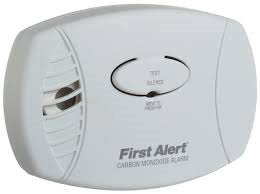
I will protect my crew and guests from dangerous fumes and environmental hazards by installing a Carbon Monoxide Detector and maintaining a safe cabin environment.


------------------------------------------------------------------------------------
9- I WILL HAUL OUT AT RESPONSIBLE BOAT YARDS:

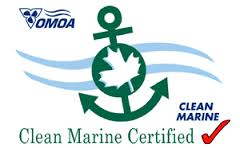
With containment policies and equipment so my sanding's and pressure wash remains don't end up in the ENVIRONMENT.

Look for CLEAN MARINE SIGNS, here is what to look for


------------------------------------------------------------------------------------
10- I WILL DISPOSAL OF ALL WASTES PROPERLY

Use recycling facilities made available for me at or near my marina

---------------------------------------------------------------------------------

11- I WILL HELP OTHER BOATERS BE AWARE OF NON GREEN PRACTISES:

Be a role model and help educate.


-----------------------------------------------------------------------------------


12-FOLLOW SOUND PRACTISES AND PRINCIPLES:
As outlined in our GREEN BOATING GUIDE.


------------------------------------------------------------------------------------------------
PLEASE SUPPORT ANY GREEN BOATING INITIATIVE:
You may have GREEN BOATING programs and facilities in your area, get to know who they are and what they are doing. Support a Local or National program. I will get involved in local water way clean up events when possible
---------------------------------------------------------------------------------
 
How to pledge:

International Boaters: please leave a comment or give us a like on our Green Boating in 2016 Facebook Page, for more information or to order a copy of Boat Nut Green Boating Guide complete with samples, tee shirt, decal for your boat and a  Boat Nut Green Boating Card for discounts while you are in North America. Please provide us with an email address and we will contact you privately for shipping instruction.
 Email address to contact us is boatnutmedia@gmail.com

All information we collect is private and not traded or sold.

 
North American Boaters:   Email us at boatnutmedia@gmail.com and we will forward you information on how to receive your  FREE Green Boating Package from Boat Nut.

All Information we collect is private we do not share, sell, or trade


Green Boating Package includes Green Boating App, Green Boating Guide, Event updates and Discount Card. The more boaters who register the more corporate attention Boat Nut can obtain. We need corporate and government attention to achieve all our goals to provide you the boater with the best free service possible.

Take the Pledge

 
Copyright 2015 © Boat Nut Media, Toronto, Ontario. All rights reserved. No part of this information/publications may be stored in a retrieval system, transmitted, or reproduced in any way, including but not limited to photocopy, magnetic, or other record, without prior agreement and written permission of the publisher, Boat Nuts Media ©™ No liability is assumed with respect to the information provided